
France at a glance
- Typical sits
- Paris flats with a cat, Provence villas with dogs, farmhouses with several animals
- Busiest times
- Summer, above all August, though sits come up all year
- Visas
- EU, Norway, Iceland, Liechtenstein, Switzerland: no visa. UK, US, Canada, Australia and many more: no visa for 90 days in any 180
- Car
- Not needed in Paris and the big cities; usually needed in the countryside
Homes in France looking for a sitter
See all →Prunet, Auvergne-Rhône-Alpes,France
Royan, Nouvelle-Aquitaine,France
Cressat, Nouvelle-Aquitaine,France
Where you’ll find sits
Sits come up all over France, from city flats to farms. These are the kinds you'll see most often.
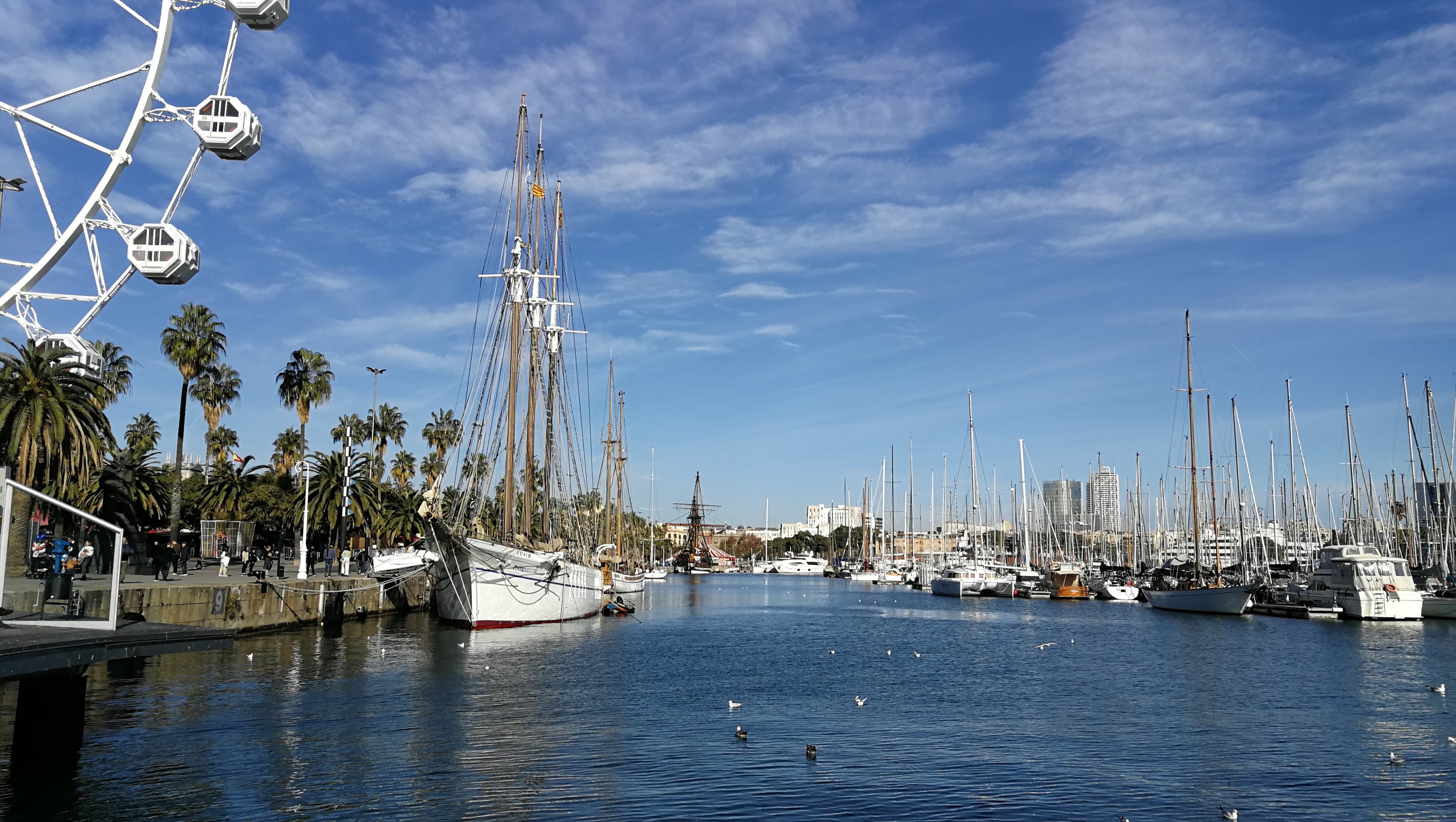
Paris and the big cities
Live in Paris for a few weeks, with a cat for company.
Why you’ll love it
- The Louvre, the Musée d'Orsay and many smaller museums
- Café terraces, parks and evening walks along the Seine
- Lyon's food, Bordeaux's wine and Strasbourg's old town
What a sit is usually like
- Pets
- Mostly cats
- Home
- A flat, often small
- Getting around
- Metro or tram, and walking; no car
- Length
- Often two or three weeks
Best for: First sits, sitters without a car
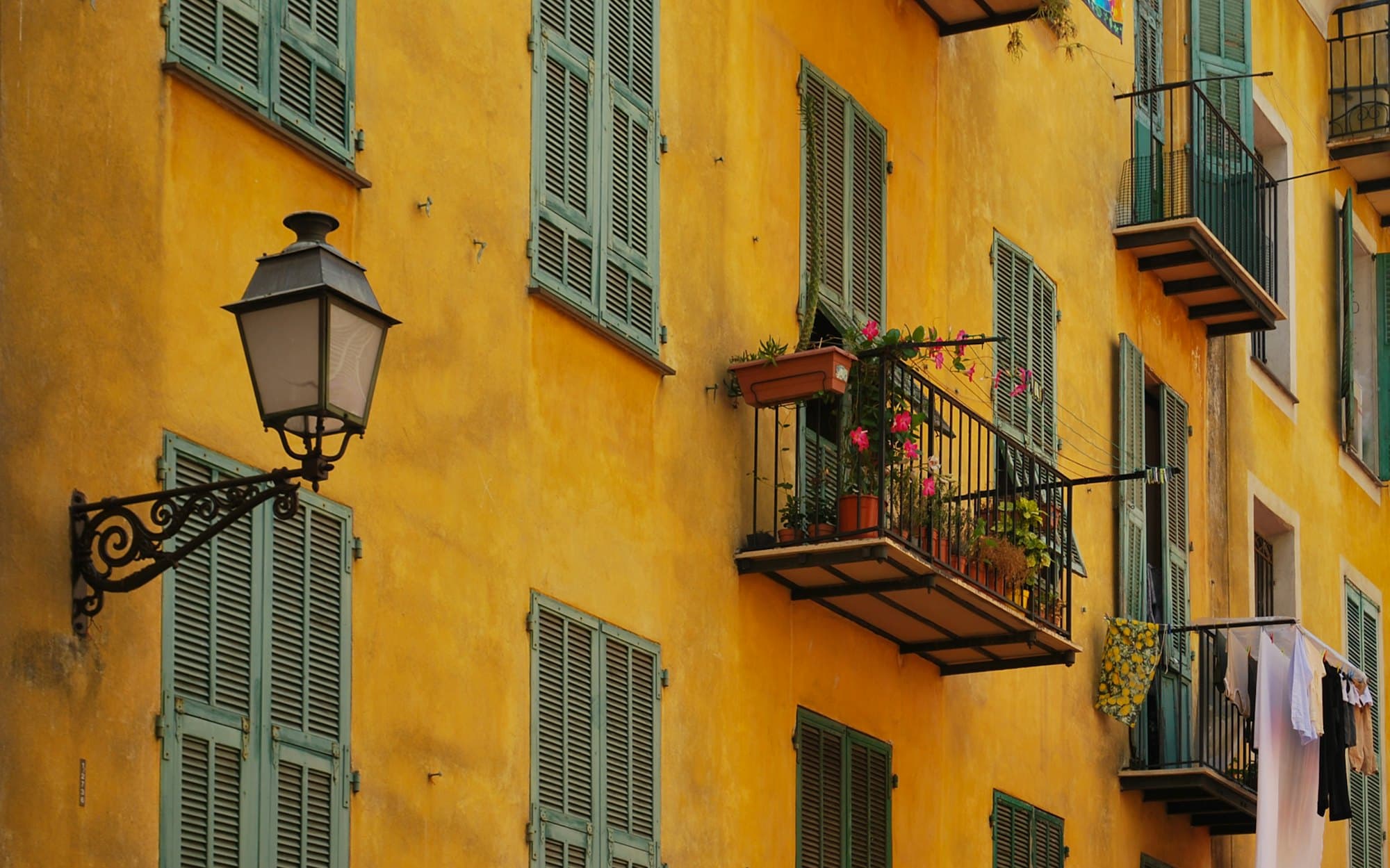
Provence and the Riviera
Hill villages, lavender and the sea, for weeks at a time.
Why you’ll love it
- Lavender fields in early summer and weekly village markets
- Coast walks and swims, from the Calanques near Marseille to Nice
- Sunshine most of the year
What a sit is usually like
- Pets
- Often several: dogs and cats
- Home
- A villa or farmhouse with a garden, often a pool
- Getting around
- A car inland; trains and buses along the coast
- Length
- Often several weeks
Best for: Remote workers, long stays
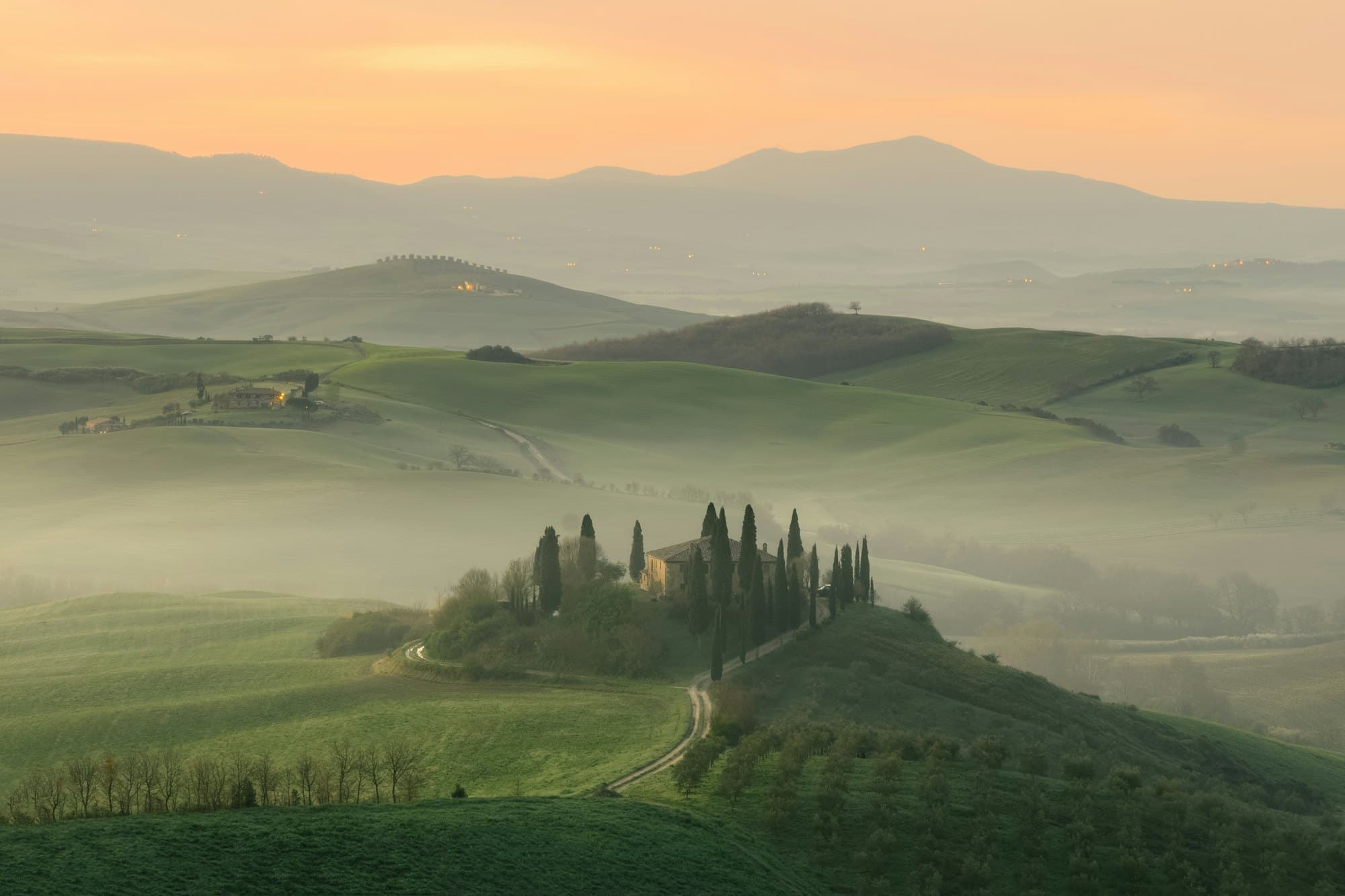
The Loire, the Dordogne and the countryside
A slower pace, deep in rural France.
Why you’ll love it
- Castles and vineyards along the Loire
- Canoe trips and old stone villages in the Dordogne
- Market days, local cheese and wine, and quiet nights
What a sit is usually like
- Pets
- Several: dogs, cats, sometimes chickens or horses
- Home
- A country house or a small farm
- Getting around
- Usually by car; buses are rare
- Length
- Weeks, sometimes months
Best for: Experienced sitters ready for more responsibility
Brittany and Normandy
Green fields, a wild coast and cool summers.
Why you’ll love it
- Long walks on coastal paths, past lighthouses and fishing ports
- Crêpes, cider and fresh seafood
- Mont-Saint-Michel and the D-Day beaches
What a sit is usually like
- Pets
- Dogs and cats, sometimes horses or chickens
- Home
- A stone cottage or village house with a garden
- Getting around
- Mostly by car; trains link the bigger towns
- Length
- Often a few weeks
Best for: Walkers, dog lovers, summers away from the heat
When to go
France through the year, and where each season is at its best. Every listing has its own dates.
Winter
Dec – Feb
Paris is cold and grey but lit up for Christmas, and Alsace has France's best-known Christmas markets. The Alps get snow, while the Riviera stays mild and often sunny. Villages go quiet until spring.
Spring
Mar – May
Gardens in bloom and Paris at its prettiest. The south is warm by May, but the sea is still cold and the north can be wet. May has several public holidays, when many families travel.
Summer
Jun – Aug
The most sits, as much of France goes on holiday and Paris empties in August. Lavender in Provence and long evenings. But the south is hot, often over 30 °C inland, and the coast is crowded. Brittany and Normandy stay cooler.
Autumn
Sep – Nov
Warm, calm days once the holidays end, and the grape harvest, from late August into October. The south is still warm enough to swim in early October. November turns grey and wet.
What to know before you go
Language
A little French helps a lot. In Paris and tourist areas English works: one of us once managed a vet visit there without a word of French. In the countryside some hosts speak only French, and a translator app does the job. Say bonjour when you walk into a shop.
Sundays and August
Most shops close on Sundays, and in small towns at lunchtime too. In August many small shops close for a few weeks, and some vets too, so ask your host which vet to call.
Paris flats
Older buildings may have no lift, so pack light. Before your host leaves, get the door code and ask who has a spare key. Some Paris hosts don't allow guests, so ask before you invite anyone.
Dogs
France is relaxed about dogs: many cafés and restaurants let them in. On the metro and on trains, small dogs travel in a bag, and big dogs usually need a lead and a muzzle.
Hunting season
From autumn to late winter, hunters are out in the countryside. Keep dogs on a lead in the woods, and wear something bright. A “chasse en cours” sign means a hunt is on: walk somewhere else.
Driving
Most motorways have tolls, paid by card at a booth. A few, like Paris to Caen, have no booth: pay online within 72 hours, or you get a fine. Paris and some other cities keep older cars out, and every car there needs a Crit'Air sticker: check the car has one. If your licence isn't from the EU, check whether you also need an International Driving Permit.
Visas
From the EU, Norway, Iceland, Liechtenstein or Switzerland, you don't need a visa at all. From the UK, the US, Canada, Australia and many other countries, you don't need one for a visit of up to 90 days in any 180. Most others need a Schengen visa.
France is in the Schengen area, so days in Spain, Italy and other Schengen countries count towards the same 90. House sitting is an unpaid exchange, not a job, but border officers decide what counts on the day. Be ready to explain that no money changes hands.
Later, visitors from the UK, the US and other visa-free countries will need ETIAS: a short online form with a small fee, filled in before you travel. The EU hasn't set a start date, so it isn't needed yet. Longer stays need a French long-stay visa, applied for before you go.
Rules change. Check the official rules for your passport before you book: the countries that need no visa, the EU's 90-day calculator and France's visa rules.
How it works
If you want to travel
- 1
Make a free profile. Bring your reviews from other platforms.
- 2
Apply for a home you like. Send the host a short message.
- 3
Agree the dates and go. Look after the pets and stay for free.
If you have pets
- 1
List your home. Your location, your pets and a few photos.
- 2
Sitters apply. Read their profiles and reviews, chat, and pick the one you like.
- 3
Travel. Your pets stay home and keep their routine.
House sitting in France: FAQ
Is it free?
Yes, for both sides. Listing your home, browsing, applying, messaging and matching never cost anything. A few extras are paid — a verified badge, more visibility — but you never need them to find a sit or a sitter.
How do I become a house sitter in France with no experience?
Build a complete profile first: real photos, an honest bio, and any French you speak, since some hosts speak only French. If you've stayed with people through other sites, like Airbnb or Couchsurfing, add those profiles as references. Then apply for a cat sit in a Paris flat, the easiest kind to start with. Write each application for that listing rather than copying the same text. Farms can wait until you have reviews.
Do I need a visa to house sit in France?
If you're from the EU, Norway, Iceland, Liechtenstein or Switzerland, you don't need one. From the UK, the US, Canada, Australia and many other countries, you can stay up to 90 days in any 180 without a visa. Most others need a Schengen visa. See Visas, above.
Do I need a car for a house sit in France?
In Paris and the big cities, no. In the countryside, usually yes. Each listing says so, and whether the host lends theirs.
I'm on another platform. Can I bring my reviews?
Yes. Add the link to your profile there. Once we've checked it, we show your review count with a link to read the reviews there — and from MindMyHouse, the reviews themselves.
I have a home in France. How do I find a sitter?
List it free with the dates you're away, and sitters apply. You can also browse sitter profiles and invite someone yourself. Read their profile, references and reviews, chat in-app, and choose — nobody is assigned to you.