Italy at a glance
- Typical sits
- City flats with a cat, farmhouses with several animals, villas by the sea
- Busiest times
- Summer, above all late July to mid-August
- Visas
- EU, Norway, Iceland, Liechtenstein, Switzerland: no visa. UK, US, Canada, Australia and many more: no visa for 90 days in any 180
- Car
- Not needed in cities; usually needed in the countryside and on the islands
Homes in Italy looking for a sitter
Lecce, Apulia,Italy
Be ready for the next home in Italy
Make a free profile now, so you can apply the day one opens.
Recent homes in Italy
- Città della Pieve, Umbria1 cat · Sep
- Montecatini Terme, TuscanyHouse & plant care · Jul
Where you’ll find sits
From the Alps to Sicily, these are the sits you'll see most often.
Rome, Milan and Florence
Weeks in cities most visitors see in a weekend.
Why you’ll love it
- Rome's ruins, Florence's art, Milan's cathedral
- Coffee at the bar, dinner in a trattoria
- Day trips by train: Bologna from Florence, Lake Como or Garda from Milan
What a sit is usually like
- Pets
- Often cats, sometimes a dog
- Home
- A flat in or near the old centre
- Getting around
- Walking and public transport, no car
- Length
- Often one to three weeks
Best for: First sits, art and food lovers
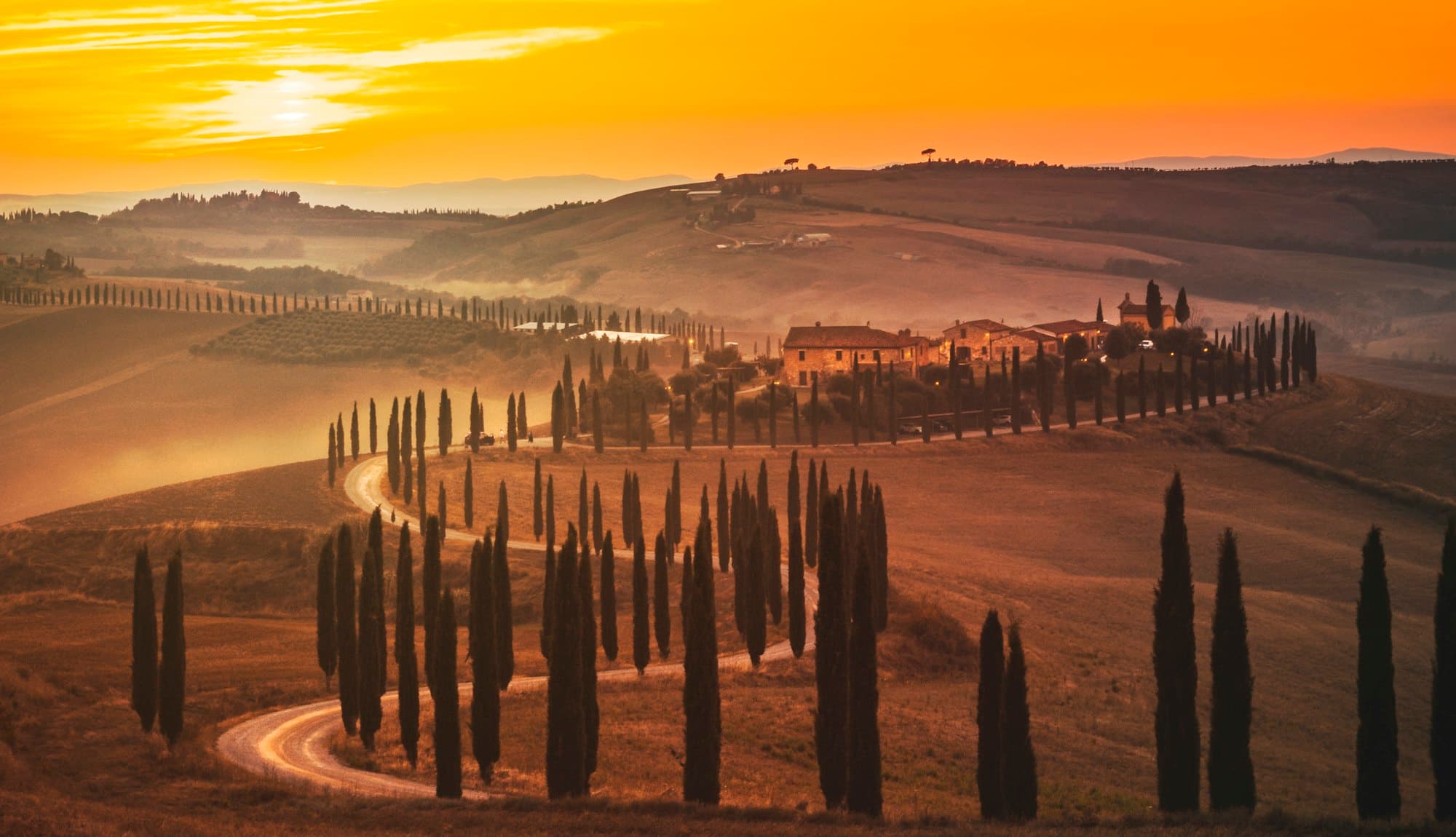
Tuscany and Umbria
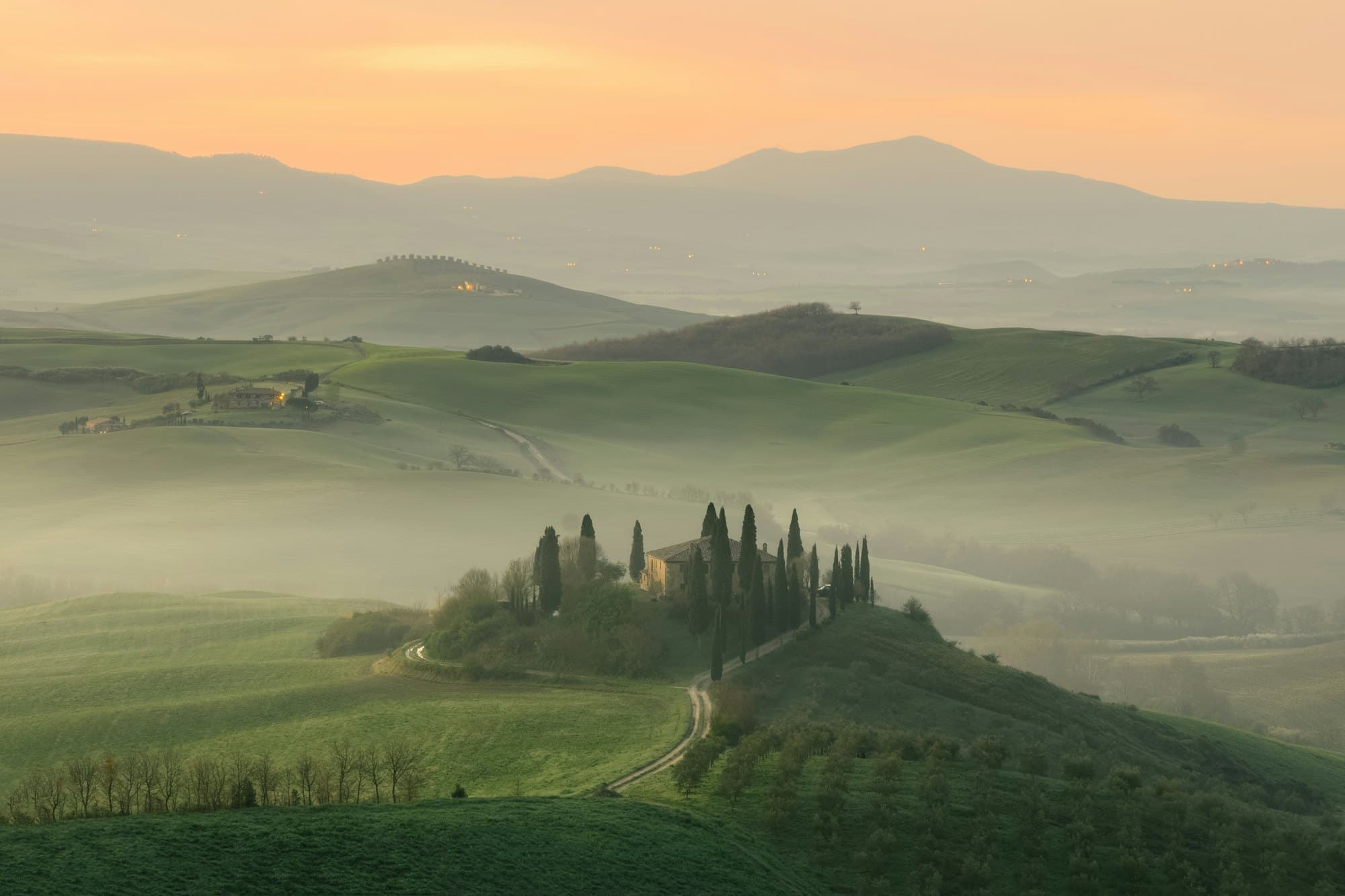
Slow country life in a farmhouse.
Why you’ll love it
- Olive groves, vineyards and rolling hills
- Hill towns like Siena, Assisi and Cortona
- Long lunches, market days and quiet nights
What a sit is usually like
- Pets
- Several: dogs, cats, sometimes chickens
- Home
- A farmhouse with land; phone signal can be weak
- Getting around
- A car is needed: towns can be half an hour away
- Length
- Often a few weeks
Best for: Sitters who want quiet and can look after themselves
Sicily, Sardinia and the south
Sea, sun and Italy's mildest winters.
Why you’ll love it
- Swimming in clear sea from June into October
- Mount Etna, Greek temples and the Amalfi Coast
- Street food, fish markets and lemon groves
What a sit is usually like
- Pets
- Dogs and cats, sometimes several
- Home
- A villa or house with outdoor space, sometimes a sea view
- Getting around
- Usually a car, except in the cities
- Length
- A week to a few weeks
Best for: Sea swimmers, winter sun
The lakes and the Alps
Lake towns with mountains behind them.
Why you’ll love it
- Ferries between towns on Lakes Como, Garda and Maggiore
- Hiking in the Dolomites in summer, skiing in winter
- Trains from many lake towns to Milan or Verona, and on to Venice
What a sit is usually like
- Pets
- It varies, so check each listing
- Home
- A house or flat in a lake town or mountain village
- Getting around
- Trains and ferries by the lakes, a car in the mountains
- Length
- A week to a few weeks
Best for: Hikers and lake swimmers
When to go
The north and the south have very different weather. Here's each season, and where it's best. Every listing has its own dates.
Winter
Dec – Feb
Sicily and the far south stay mild, often around 15 °C by day. Cities are cool and less crowded, with Christmas lights in December. The north is cold, often foggy, and the Alps get snow.
Spring
Mar – May
The countryside at its best: green hills and wildflowers in Tuscany and Umbria, and warm days by May. Crowds grow from Easter, and March can be wet.
Summer
Jun – Aug
The most sits, as Italians go on holiday, above all in August. The lakes and mountains are at their best. But cities and the south are hot, often over 30 °C, heat waves can pass 40 °C, and beaches are packed in August.
Autumn
Sep – Nov
The crowds thin out, and the sea in the south stays warm into October. Grapes are picked in September and October, olives from October. November is often wet.
What to know before you go
Driving
Many old town centres are limited-traffic zones (ZTL) with cameras: drive in without a permit and a fine comes by post, sometimes months later. With a non-EU licence, check whether you also need an International Driving Permit.
August
Around 15 August (Ferragosto), many small shops, bars and even some vets close for a week or two. Ask your host which vet to call and where to shop.
Heat
July and August are hot, most of all in the south, Florence and Rome. Walk dogs early and late: if the pavement is too hot for your hand, it's too hot for paws. Close the shutters by day, as Italians do.
Dogs in town
Keep dogs on a lead in towns. On buses and trains, bigger dogs usually need a muzzle, and many beaches don't allow dogs in summer. Ask your host if the dog has a muzzle, and which beaches allow dogs.
Language
You'll manage in English in the cities, Tuscany and the lakes. In rural Umbria, Sicily and the south, people may speak only Italian; a translator app does the job. A few words, like buongiorno and grazie, help a lot.
Shops and pharmacies
In small towns, shops close for lunch, roughly 1 to 4 pm, and many close on Sundays. Pharmacies take turns to open at night and on Sundays, and every pharmacy door shows which one is open.
Visas
From the EU, Norway, Iceland, Liechtenstein or Switzerland, you don't need a visa at all. From the UK, the US, Canada, Australia and many other countries, you don't need one for a visit of up to 90 days in any 180. Most others need a Schengen visa.
Italy is in the Schengen area, so days in other Schengen countries count towards the same 90. House sitting is an unpaid exchange, not a job, but border officers decide what counts on the day. Be ready to explain that no money changes hands.
Later, visitors from the UK, the US and other visa-free countries will need ETIAS: a short online form with a small fee, filled in before you travel. The EU hasn't set a start date, so it isn't needed yet. Longer stays need an Italian visa, such as the elective residence visa many retirees use.
Rules change. Check the official rules for your passport before you book: the countries that need no visa, the EU's 90-day calculator and Italy's visa site.
How it works
If you want to travel
- 1
Make a free profile. Bring your reviews from other platforms.
- 2
Apply for a home you like. Send the host a short message.
- 3
Agree the dates and go. Look after the pets and stay for free.
If you have pets
- 1
List your home. Your location, your pets and a few photos.
- 2
Sitters apply. Read their profiles and reviews, chat, and pick the one you like.
- 3
Travel. Your pets stay home and keep their routine.
House sitting in Italy: FAQ
Is it free?
Yes, for both sides. Listing your home, browsing, applying, messaging and matching never cost anything. A few extras are paid — a verified badge, more visibility — but you never need them to find a sit or a sitter.
How do I become a house sitter in Italy with no experience?
Start in a city: a flat in Rome, Milan or Florence with a cat is easier than a farmhouse with several animals. Build a complete profile first: real photos and an honest bio. If you've stayed with people through other sites, like Airbnb or Couchsurfing, add those profiles as references. Then write each application for that listing, short and clear: some hosts read it with a translator app.
Do I need a visa to house sit in Italy?
If you're from the EU, Norway, Iceland, Liechtenstein or Switzerland, you don't need one. From the UK, the US, Canada, Australia and many other countries, you can stay up to 90 days in any 180 without a visa. Most others need a Schengen visa. See Visas, above.
Do I need a car for a house sit in Italy?
In the cities, no: old centres are for walking, and many limit cars. In the countryside and on the islands, usually yes. Each listing says so, and whether the host lends theirs.
I'm on another platform. Can I bring my reviews?
Yes. Add the link to your profile there. Once we've checked it, we show your review count with a link to read the reviews there — and from MindMyHouse, the reviews themselves.
I have a home in Italy. How do I find a sitter?
List it free with the dates you're away, and sitters apply. You can also browse sitter profiles and invite someone yourself. Read their profile, references and reviews, chat in-app, and choose — nobody is assigned to you.