
The Netherlands at a glance
- Typical sits
- City flats with a cat, houses with a dog, farmhouses in the countryside
- Busiest times
- Summer and other school holidays, when families travel
- Visas
- EU, Norway, Iceland, Liechtenstein, Switzerland: no visa. UK, US, Canada, Australia and many more: no visa for 90 days in any 180
- Car
- Usually not needed: bikes and trains go almost everywhere
Be the first to apply for homes in the Netherlands
Make a free profile now, so you can apply the day one opens.
Recent homes in the Netherlands
- Utrecht1 cat · Nov
- Pijnacker, South Holland3 cats · Aug
Where you’ll find sits
The Dutch travel a lot and many keep pets. Most sits are in or near the big cities, often a flat with a cat.
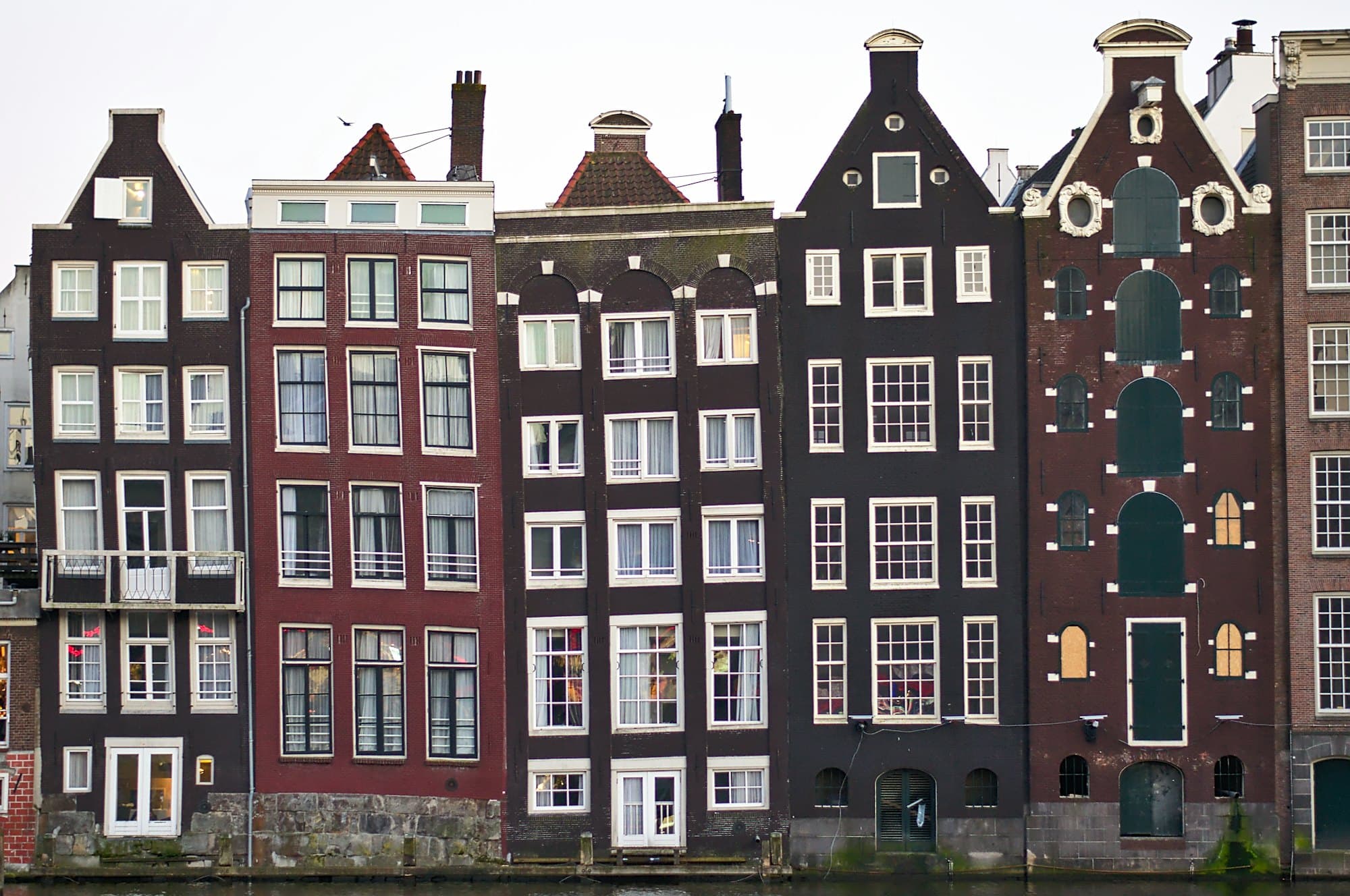
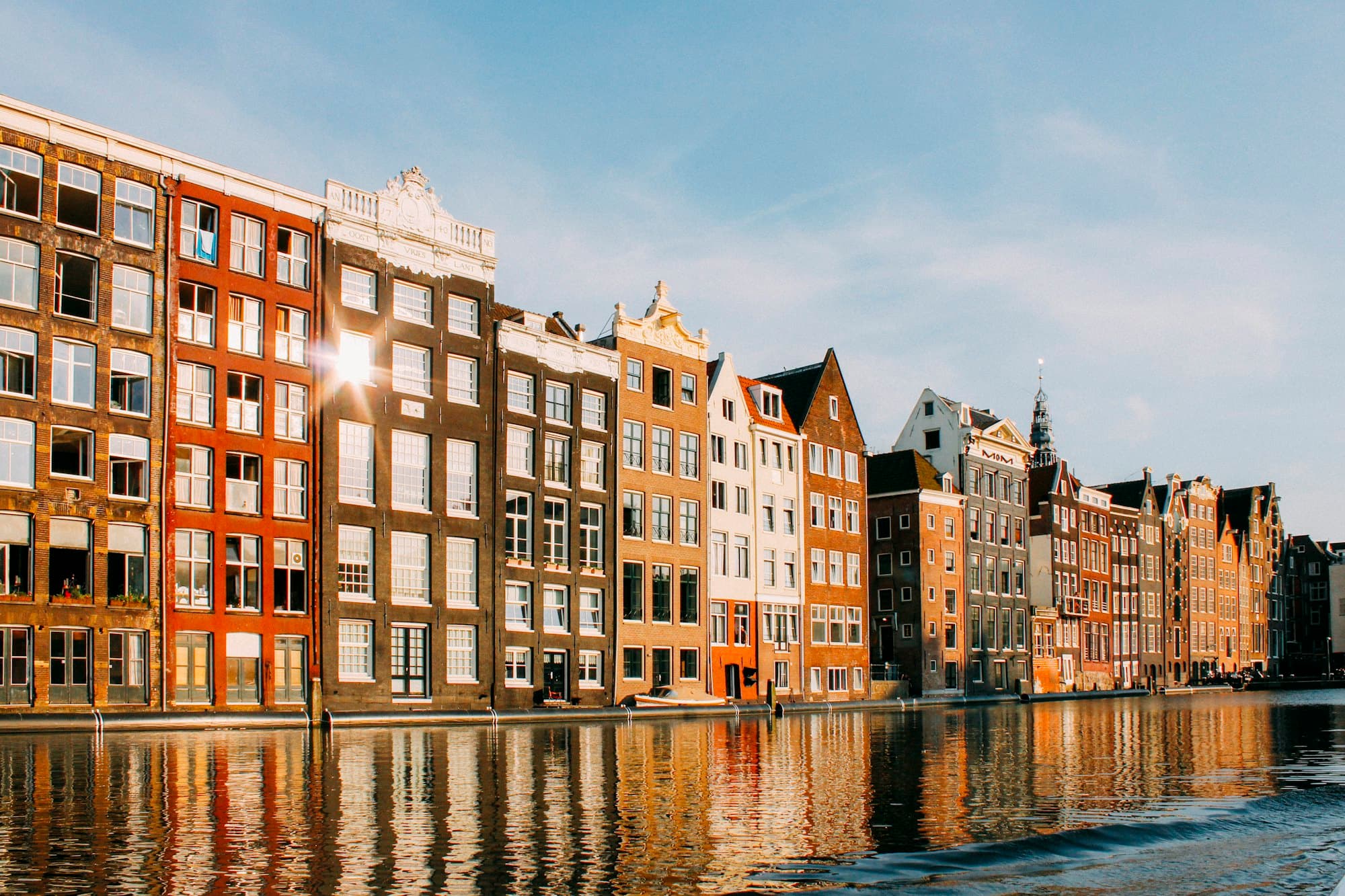
Amsterdam
See Amsterdam the way locals do: by bike.
Why you’ll love it
- The Rijksmuseum, the Van Gogh Museum, the Anne Frank House
- Walks along the canals and in the Vondelpark
- The Albert Cuyp market and cosy old cafés
What a sit is usually like
- Pets
- Mostly cats
- Home
- A flat, often up steep stairs
- Getting around
- Bike, tram and walking, no car
- Length
- Often one or two weeks
Best for: First sits, cat lovers
Utrecht, Rotterdam and The Hague
Dutch city life, with fewer tourists than Amsterdam.
Why you’ll love it
- Utrecht's old canals, with cafés by the water
- Rotterdam's modern buildings, like the Cube Houses
- The Hague's beach at Scheveningen, a tram ride from the centre
What a sit is usually like
- Pets
- Mostly cats; dogs where there's a garden
- Home
- A flat, or a house with a small garden
- Getting around
- Bike and tram; trains between the cities
- Length
- One to a few weeks
Best for: City life without the crowds
The coast and the dunes
Beaches, dunes and big skies.
Why you’ll love it
- Long sandy beaches and sunsets over the North Sea
- Cycling through the dunes and woods near Bergen and Bloemendaal
- Zandvoort, about half an hour from Amsterdam by train
What a sit is usually like
- Pets
- Often dogs
- Home
- A house with a garden, near the dunes
- Getting around
- Bike, train and bus
- Length
- A week or more
Best for: Dog lovers, walkers and cyclists
Villages and the countryside
Quiet villages, big skies and very few tourists.
Why you’ll love it
- Lakes, windmills and old sailing towns in Friesland
- Forests, heather fields and 5,000-year-old stone tombs in Drenthe
- Green hills in south Limburg, rare in a flat country
What a sit is usually like
- Pets
- Often dogs, sometimes several animals
- Home
- A farmhouse or a village house
- Getting around
- A bike; buses run less often, so a car helps
- Length
- Often a few weeks
Best for: Nature lovers who like it quiet
When to go
The sea keeps the weather mild all year, but it changes fast. Every listing has its own dates.
Winter
Dec – Feb
Mild but grey, wet and windy, often around 5 °C, with short days and little snow. Best in the cities: Christmas lights on the canals, cosy cafés, quieter museums.
Spring
Mar – May
Tulip time: the bulb fields between Haarlem and Leiden bloom from late March into May, and the Keukenhof gardens are busy. King's Day, at the end of April, turns every town orange.
Summer
Jun – Aug
The most sits, and the longest, as families travel in the school holidays. Days are often 20 to 25 °C and light until late: the best time for the coast. But Amsterdam and the beaches are crowded.
Autumn
Sep – Nov
September is often mild and calm, with fewer tourists. October brings rain, the first storms and shorter days, but the woods of Drenthe and the Veluwe turn gold.
What to know before you go
Bikes
Many hosts lend a bike, and some expect you to use it for shopping. Lock it to a bike rack, not a lamppost or a bridge, and use a second lock: bikes are often stolen in the cities.
Dogs
Walk on the pavement, not the bike path. In towns, dogs usually stay on a lead, and you pick up after them. Many beaches allow no dogs by day in summer, and in the dunes they often must stay on a lead. On trains, a small dog in a bag rides free; a bigger one needs a ticket.
Cards, not cash
Cards and phones work almost everywhere, and some places take no cash at all. On trains, trams and buses, tap your bank card at the start and end of each trip: no ticket needed.
Rain and wind
Showers are common and the wind can be strong. Bring a rain jacket, as umbrellas are no use on a bike, and keep a towel by the door for the dog.
Steep stairs
Old Dutch houses have steep, narrow stairs, almost like ladders. Take your bags up one at a time and hold the rail. If the dog is old, ask the host how it gets up and down.
Language
Almost everyone speaks English, so you won't need Dutch. A translator app helps with food labels and letters. People still like to hear “dank je wel” (thank you).
Visas
From the EU, Norway, Iceland, Liechtenstein or Switzerland, you don't need a visa at all. From the UK, the US, Canada, Australia and many other countries, you don't need one for a visit of up to 90 days in any 180. Most others need a Schengen visa.
The Netherlands is in the Schengen area, so days in Belgium, Germany and other Schengen countries count towards the same 90. House sitting is an unpaid exchange, not a job, but border officers decide what counts. Be ready to explain that no money changes hands.
Later, visitors from the UK, the US and other visa-free countries will need ETIAS: a short online form with a small fee, filled in before you travel. The EU hasn't set a start date, so it isn't needed yet. Longer stays need a residence permit.
Rules change. Check the official rules for your passport before you book: the countries that need no visa, the EU's 90-day calculator and the Dutch immigration service.
How it works
If you want to travel
- 1
Make a free profile. Bring your reviews from other platforms.
- 2
Apply for a home you like. Send the host a short message.
- 3
Agree the dates and go. Look after the pets and stay for free.
If you have pets
- 1
List your home. Your location, your pets and a few photos.
- 2
Sitters apply. Read their profiles and reviews, chat, and pick the one you like.
- 3
Travel. Your pets stay home and keep their routine.
House sitting in the Netherlands: FAQ
Is it free?
Yes, for both sides. Listing your home, browsing, applying, messaging and matching never cost anything. A few extras are paid — a verified badge, more visibility — but you never need them to find a sit or a sitter.
How do I become a house sitter in the Netherlands with no experience?
It's one of the easiest places to start: people speak English and you won't need a car. Build a complete profile with real photos and an honest bio, and add any Airbnb or Couchsurfing profile as a reference. Then apply for a short city sit with a cat. Write each application for that home, and say if you're happy to cycle.
Do I need a visa to house sit in the Netherlands?
If you're from the EU, Norway, Iceland, Liechtenstein or Switzerland, you don't need one. From the UK, the US, Canada, Australia and many other countries, you can stay up to 90 days in any 180 without a visa. Most others need a Schengen visa. See Visas, above.
Do I need a car for a house sit in the Netherlands?
Usually not: bikes, trains and buses go almost everywhere. In the countryside a car helps, as buses run less often. Each listing says whether the host lends theirs.
I'm on another platform. Can I bring my reviews?
Yes. Add the link to your profile there. Once we've checked it, we show your review count with a link to read the reviews there — and from MindMyHouse, the reviews themselves.
I have a home in the Netherlands. How do I find a sitter?
List it free with the dates you're away, and sitters apply. You can also browse sitter profiles and invite someone yourself. Read their profile, references and reviews, chat in-app, and choose — nobody is assigned to you.