London urban sits
Compact flat sits with cats in zones 2-4. Public transport gets you anywhere. Tube + walking access. Sits range from a long weekend to several weeks. Particularly active during school holidays and summer.
✨ Early access. ✨ Early access — we're still polishing HouseSit. Notice anything off? — it genuinely helps.

United Kingdom
London cat sits, Cotswolds farmhouses, Scottish Highland cottages, Welsh coastal homes — house sitting is a well-worn habit in the UK. List your home or travel for free in exchange for pet care.
House sitting is well established in the UK. British pet owners travel frequently (particularly during school holidays), and the housesitting culture is well-established — hosts trust the model, and sitters know how it works. Sits come up year-round.
Geographic variety helps: London for short urban sits, the English countryside for longer rural stays with multiple animals, Scotland for remote highland experiences, Wales for coastal calm. Year-round availability — winter sits are common (Brits escaping the dark) and summer sits are common (Brits going somewhere sunny).
Compact flat sits with cats in zones 2-4. Public transport gets you anywhere. Tube + walking access. Sits range from a long weekend to several weeks. Particularly active during school holidays and summer.
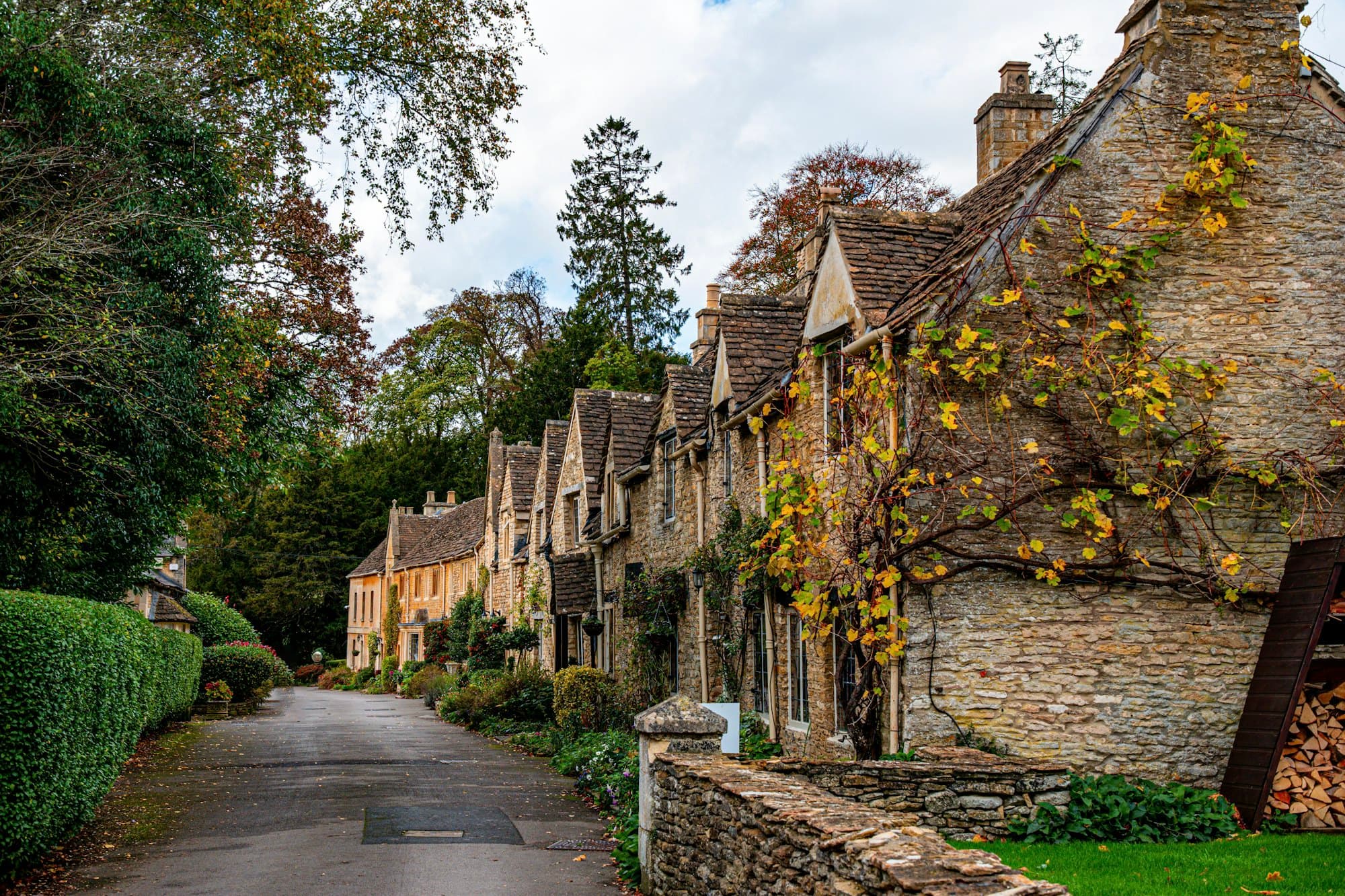
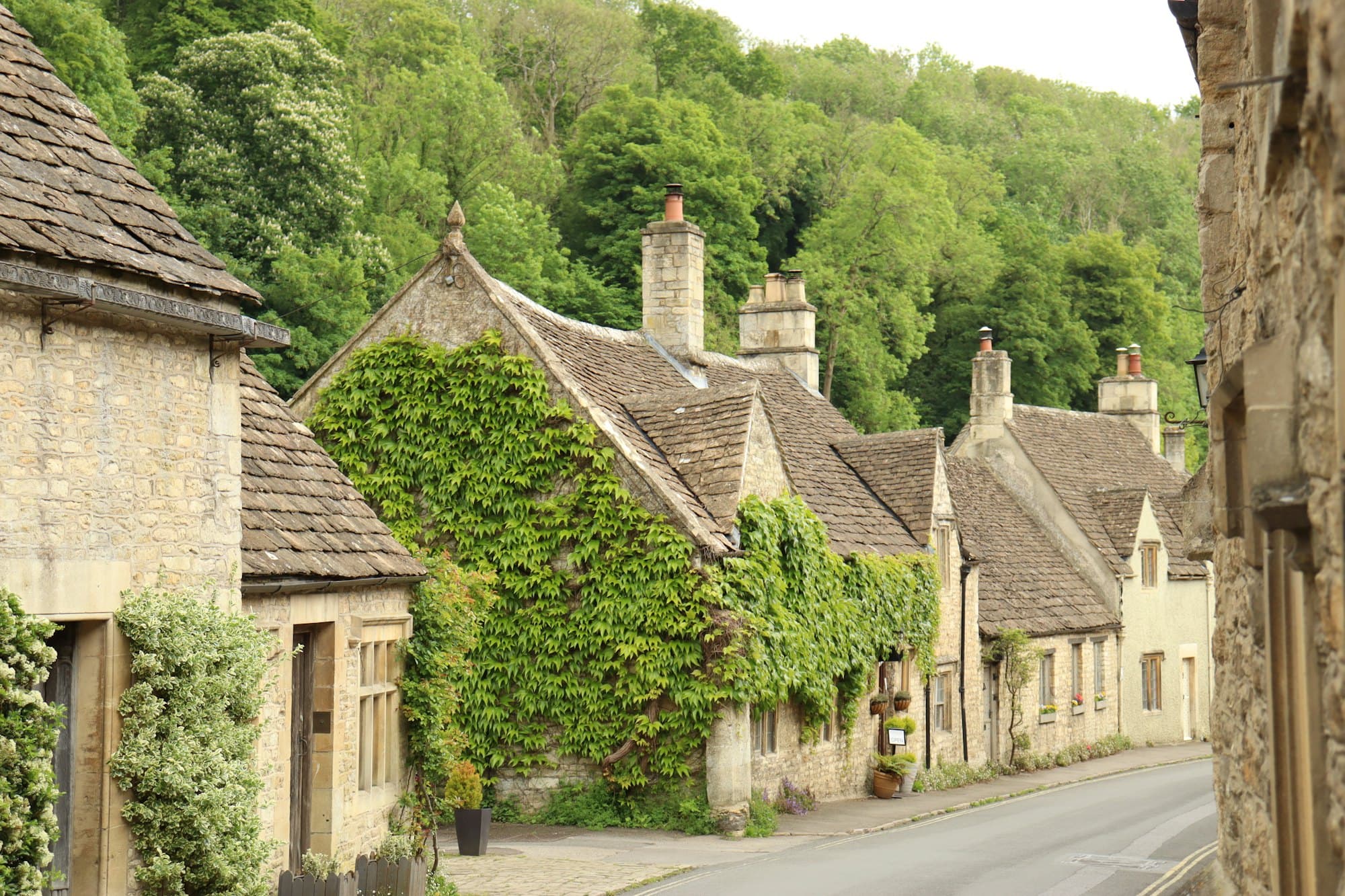
Farmhouses, cottages, and country homes with multiple pets. Gardens, sometimes chickens or horses, often a dog plus cats. Longer commitments — 1-3 weeks typical.
Remote cottage sits in the Highlands, urban sits in Edinburgh and Glasgow, rural farms in the Borders. The remote ones suit experienced sitters comfortable with long drives, basic infrastructure, and serious weather.
UK sits often involve dogs as the primary responsibility. Walks, garden access, sometimes training reinforcement. Read carefully: some hosts want extensive walking, others have older dogs needing minimal exercise.
Sign up free
Email or Google. Free to browse, apply and list.
Set a destination or list your home
Sitters mark the UK as a preferred destination on their profile. Hosts list their home with the dates they're away.
Sitters apply, hosts choose
Sitters see listings on a map with a rough 1 km circle for privacy, filter by dates and pets, and apply with a short intro. Hosts read the applications — profile, references, reviews — and can also browse sitter profiles and invite someone.
Chat, then match
Talk in-app before anyone commits. The exact address is shared only after the host accepts.
Is it free?
Yes, for both sides. Listing your home, browsing, applying, messaging and matching never cost anything. A few extras are paid — a verified badge, more visibility — but you never need them to find a sit or a sitter.
Do I need a UK driving licence?
Depends on the sit. London and most urban sits don't need a car. Rural England, Wales, and Scotland sits often do. EU and US driving licences are typically valid for short visits — check the UK government website for current rules. Many hosts include a car for the sit.
Do I need a visa to house sit in the UK?
EU citizens need to follow visitor rules — typically 6 months as a tourist. US, Canadian, Australian, and most other visa-free countries can stay up to 6 months. An unpaid house-sitting exchange isn't paid work, so no work visa is needed — but confirm with current UK government guidance for your passport.
Do house sitters get paid in the UK?
There are two markets. Professional paid house sitters exist in the UK, usually for long local arrangements. Exchange-based housesitting — what HouseSit does — is unpaid in both directions: free accommodation in return for free pet and home care. For travellers, the exchange model is the one that makes sense, and it's the only model on this platform — no fees either way.
Year-round availability?
Yes — UK sits run year-round. Winter sits are common (Brits escape to Spain or Asia). Summer sits are common (school holidays). Spring and autumn are gentler shoulder seasons with steady inventory.
How are pets typically handled in the UK?
Dog walks 1-3 times daily are common. Cats often have outdoor access via cat flaps. UK sits skew slightly higher-effort than European Mediterranean sits because of weather + dog culture.
I have a home in the UK. How do I find a sitter?
List it free with the dates you're away, and sitters apply. You can also browse sitter profiles and invite someone yourself. Read their profile, references and reviews, chat in-app, and choose — nobody is assigned to you.
The UK runs year-round and has serious housesit density. List your home, or browse what's open in your dates.