Barcelona & Valencia
Compact apartment sits in the city centres, often with cats. Public transport and walkable neighbourhoods mean no car needed. Spanish hosts in cities tend to travel in summer and Christmas.
✨ Early access. ✨ Early access — we're still polishing HouseSit. Notice anything off? — it genuinely helps.


Spain
From Barcelona's Eixample to Andalusian fincas, a Costa Brava village, or the Canary Islands — house sits across Spain, in every season. List your home or travel for free.
Spain's size, its range of climates and its pet culture mean sits of every kind. Major cities for short urban sits, the Costa Brava and Costa del Sol for coastal stays, Andalusia for white villages and slow rhythms, and the rural interior for working homes with multiple animals.
Spanish hosts often travel for extended periods — three to six weeks — making longer sits more common than in other European destinations. That makes Spain particularly attractive for full-time digital nomads and retirees who want to settle in for a season.
Compact apartment sits in the city centres, often with cats. Public transport and walkable neighbourhoods mean no car needed. Spanish hosts in cities tend to travel in summer and Christmas.
Villa sits in Sitges, Tossa de Mar, Cadaqués, and across the Costa del Sol. Often involve dogs and outdoor space. Summer is peak demand from northern European travelers.
White villages, fincas with several animals (dogs, cats, sometimes goats or chickens), olive groves and gardens. Multi-week sits with real responsibility — and real reward.
HouseSit is new and free — far fewer sitters compete per listing than on the paywalled incumbents. A complete profile with references gets seen here, not buried.
Sign up free
Email or Google. Free to browse, apply and list.
Set a destination or list your home
Sitters mark Spain as a preferred destination on their profile. Hosts list their home with the dates they're away.
Sitters apply, hosts choose
Sitters see listings on a map with a rough 1 km circle for privacy, filter by dates and pets, and apply with a short intro. Hosts read the applications — profile, references, reviews — and can also browse sitter profiles and invite someone.
Chat, then match
Talk in-app before anyone commits. The exact address is shared only after the host accepts.
Is it free?
Yes, for both sides. Listing your home, browsing, applying, messaging and matching never cost anything. A few extras are paid — a verified badge, more visibility — but you never need them to find a sit or a sitter.
Are most sits in tourist areas or local neighbourhoods?
Both. Tourist-zone sits exist in coastal towns (people who own holiday homes and travel themselves). Local-neighbourhood sits exist throughout — these are typically more authentic experiences with locals who happen to need a sitter.
Do I need to know Spanish?
Helpful but not required. Coastal areas, Madrid, and Barcelona have strong English. Rural Andalusia is more Spanish-only — a translator app covers the gap, and hosts are used to working with one. Applying in simple, clear English works fine.
How do I become a house sitter in Spain with no experience?
Start with a complete profile: real photos, an honest bio, and references from people who can vouch for you — a landlord, an employer, a neighbour whose cat you've watched. Apply to short urban cat sits first (the gentlest entry point) and write each application against the specific listing instead of copy-pasting. New sitters land their first Spanish sit faster than on the big platforms because there's less competition per listing.
Is Spain good for first-time housesitters?
Yes — high inventory, diverse sit types, well-regarded by sitters. Start with a 1-2 week urban sit (cat, apartment) before committing to a 6-week rural sit with multiple animals.
Do I need a visa to house sit in Spain?
Spain follows the Schengen 90/180 rule for non-EU citizens, and an unpaid house-sitting exchange counts as ordinary tourism — it isn't work. Plan your sits around that limit. Long-term visas exist (digital nomad visa, retirement visa) — those are separate from the housesit itself. Confirm against current official guidance for your passport.
I have a home in Spain. How do I find a sitter?
List it free with the dates you're away, and sitters apply. You can also browse sitter profiles and invite someone yourself. Read their profile, references and reviews, chat in-app, and choose — nobody is assigned to you.
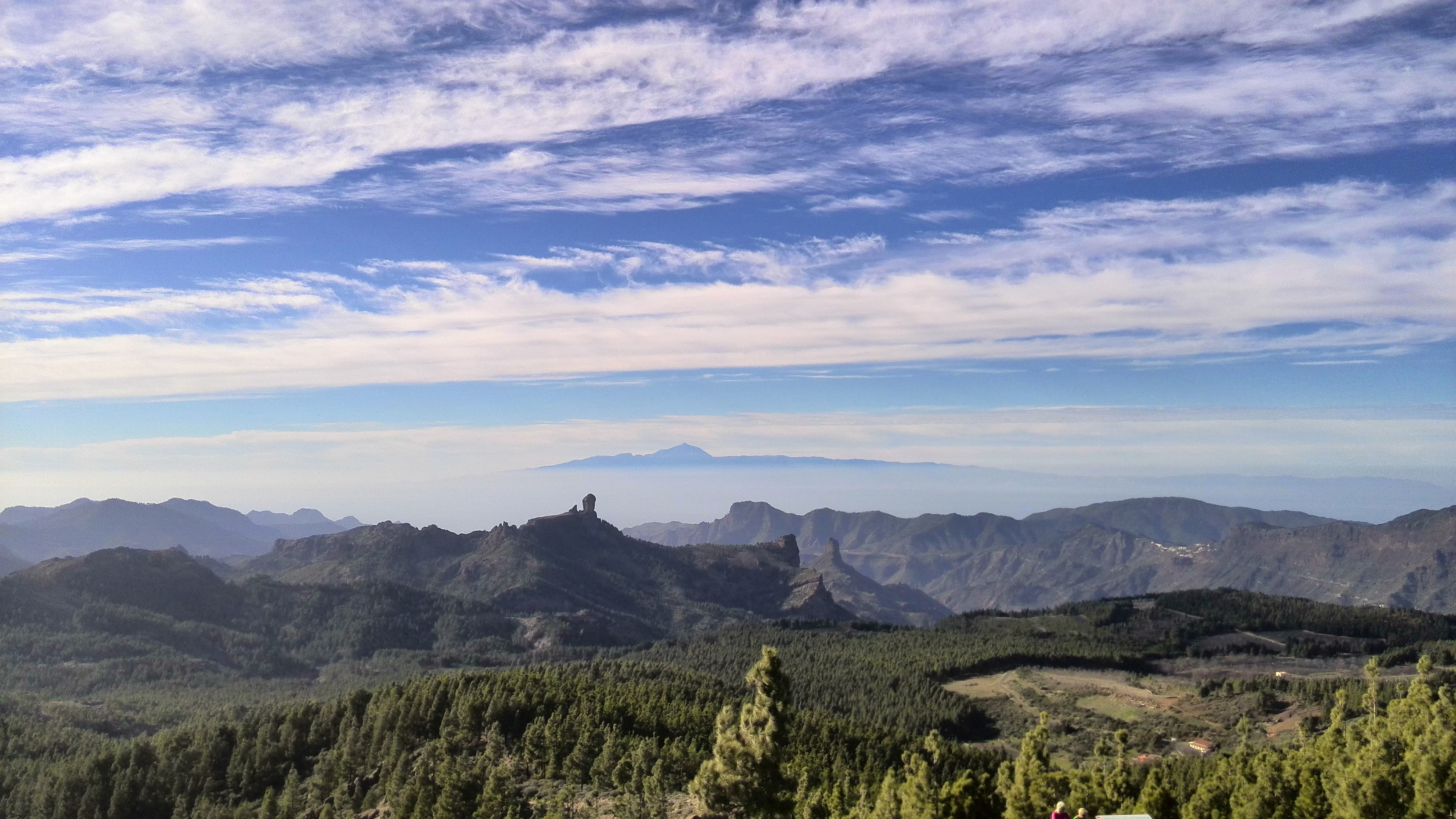
Short city sits, a few weeks on the coast, longer in the countryside. Browse what's available now, or list your Spanish home for free.