Portugal at a glance
- Typical sits
- Lisbon and Porto flats with a cat, Algarve villas, farms with several animals
- Busiest times
- Summer, when coastal hosts escape the crowds; sits come up all year
- Visas
- EU, Norway, Iceland, Liechtenstein, Switzerland: no visa. UK, US, Canada, Australia and many more: no visa for 90 days in any 180
- Car
- Not needed in Lisbon or Porto; often needed in the Algarve, almost always inland
Be the first to apply for homes in Portugal
Make a free profile now, so you can apply the day one opens.
Recent homes in Portugal
- Afife, Viana do Castelo2 dogs · Oct
Where you’ll find sits
These are the main kinds of sits, from city flats to farms in the hills.
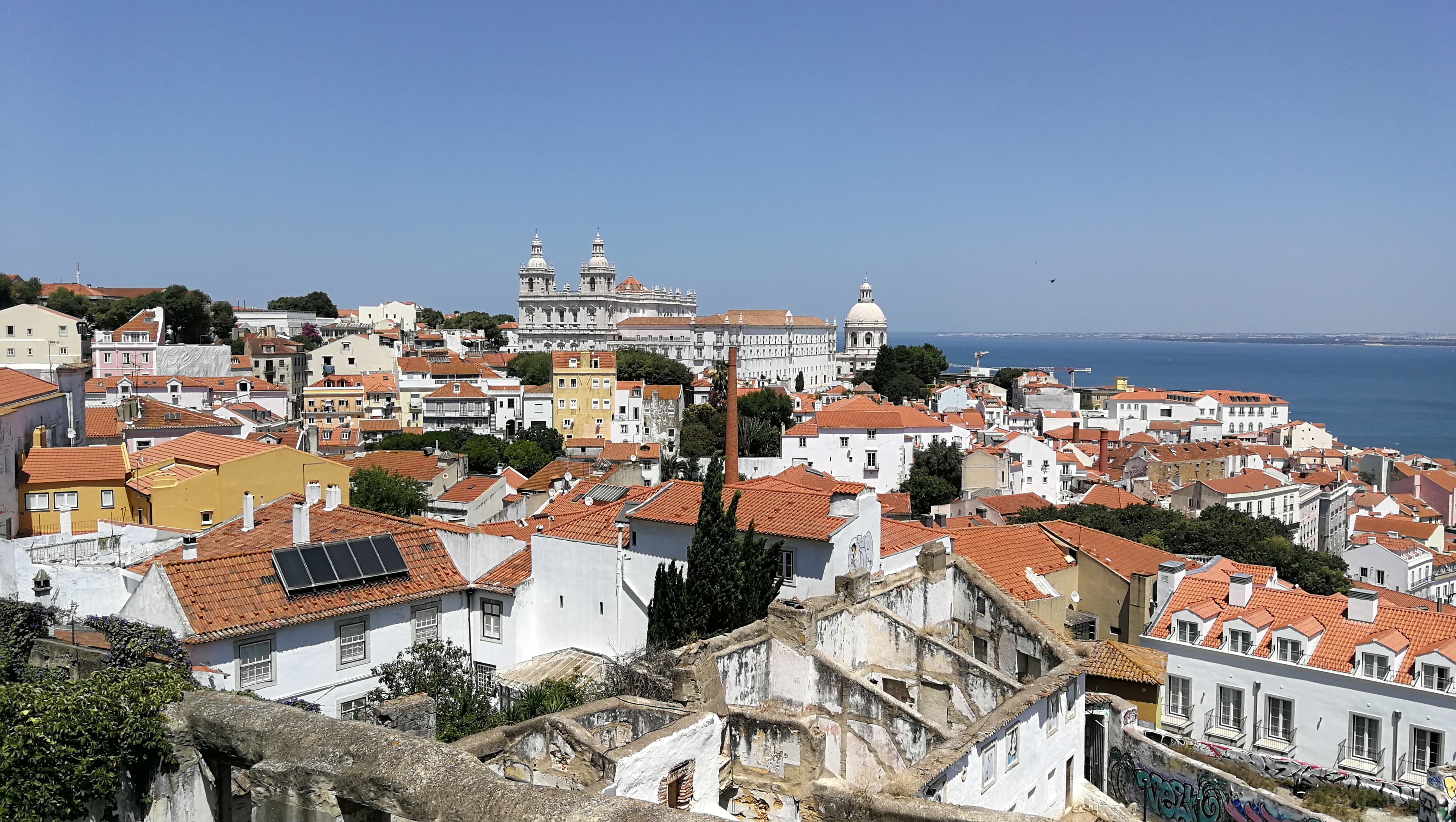
Lisbon and Porto
Old streets, river views and a café on every corner.
Why you’ll love it
- Lisbon's yellow trams, viewpoints and the old Alfama
- Porto's riverside, and the port wine cellars just across the river
- Beaches a short train or metro ride away
What a sit is usually like
- Pets
- Often a cat
- Home
- A flat in or near the old centre
- Getting around
- Metro, trams and steep walks; no car
- Length
- Often a week or two
Best for: First sits, cat lovers, travellers without a car
The Algarve
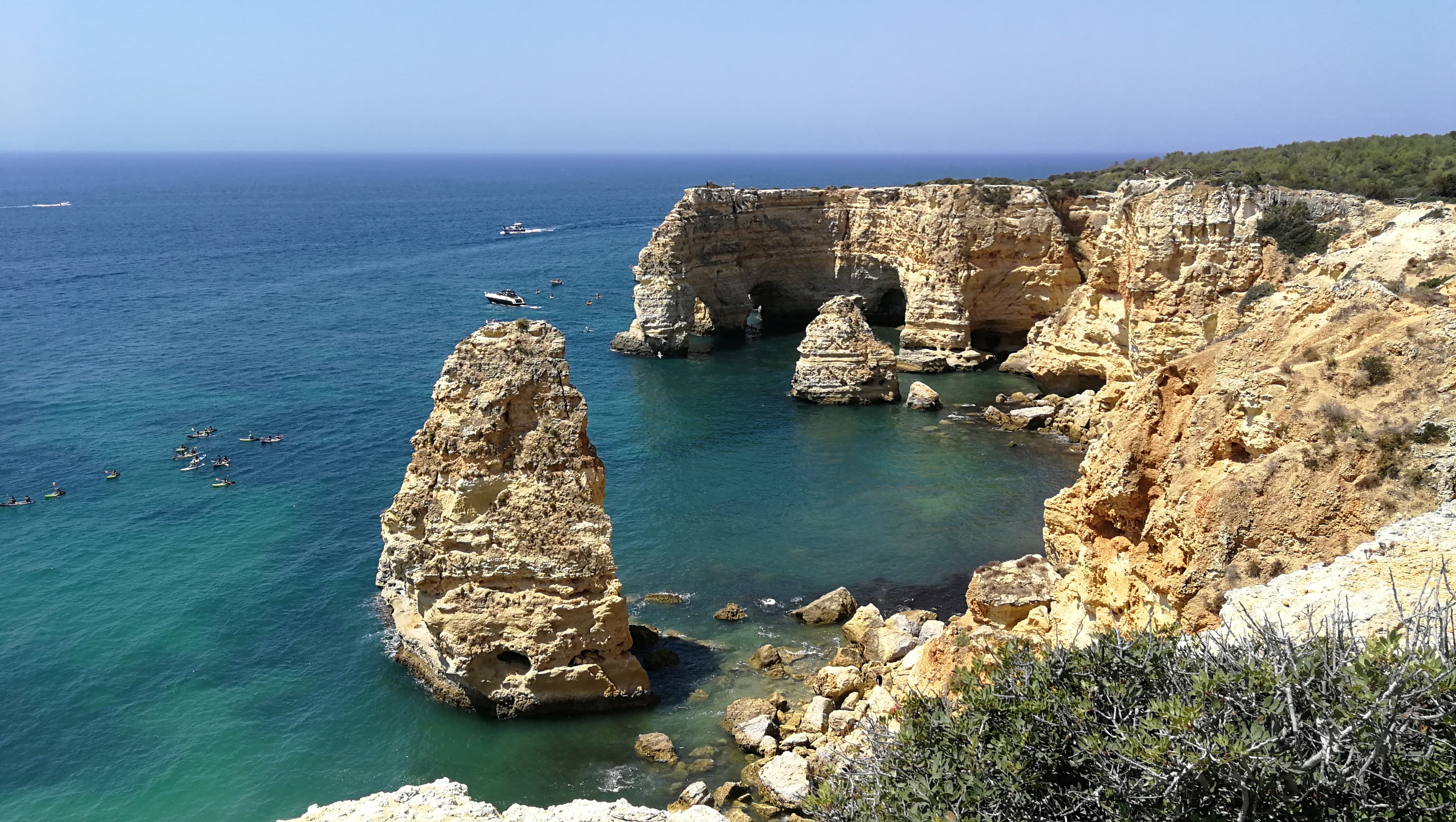
Golden cliffs, sandy coves and sun most of the year.
Why you’ll love it
- Cliff-top walks, like the Seven Hanging Valleys trail
- Fishing towns and grilled fish, from Lagos to Tavira
- Mild, sunny winters
What a sit is usually like
- Pets
- Dogs and cats, often more than one
- Home
- A villa or town house, often with a pool
- Getting around
- A car helps; trains and buses link the main towns
- Length
- Often several weeks
Best for: Long stays, winter sun, dog lovers
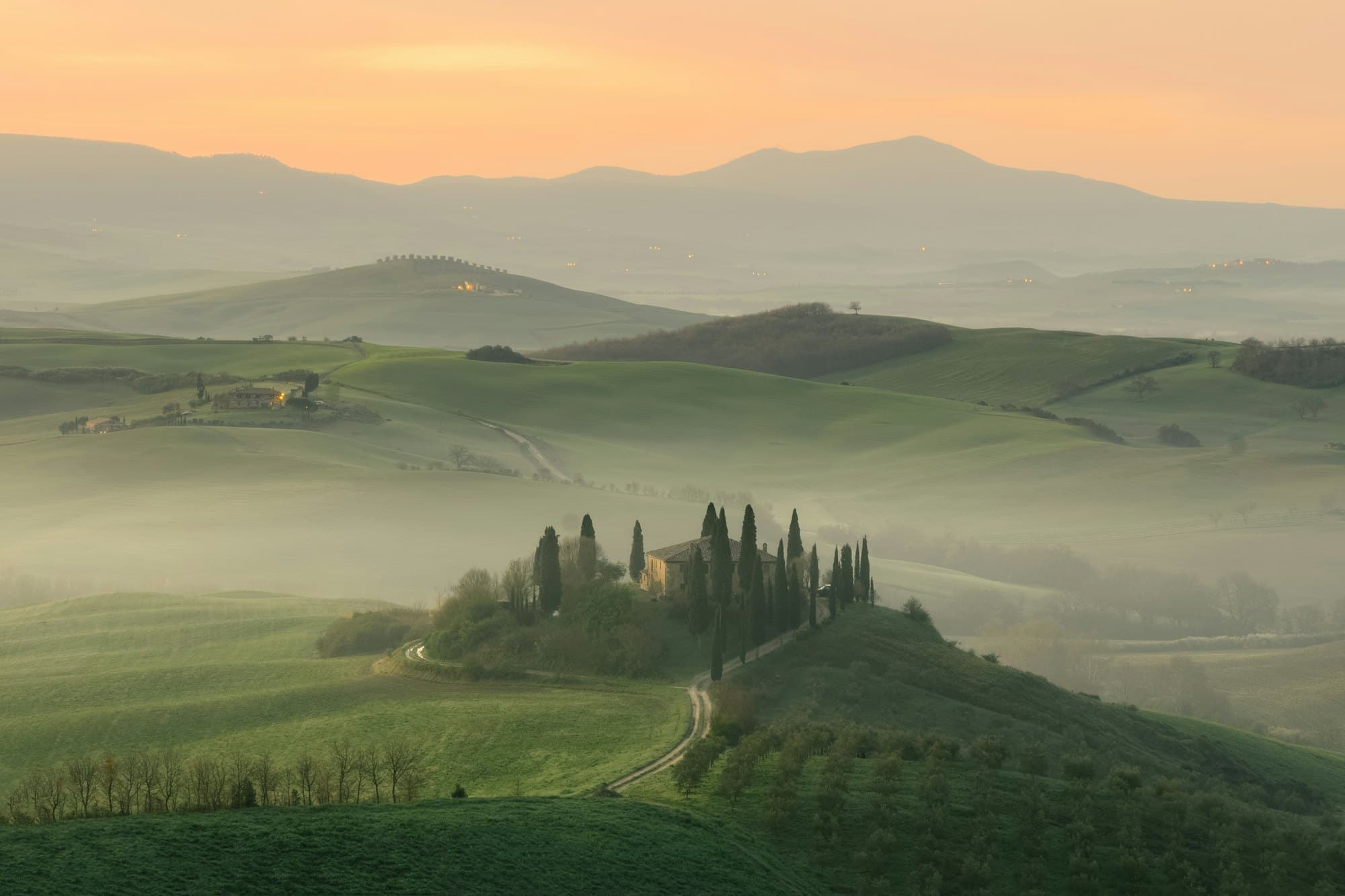
The Alentejo and the countryside
Small farms and quiet villages, far from the crowds.
Why you’ll love it
- Cork oaks, olive groves and white villages like Monsaraz
- River beaches and stone villages in central Portugal
- Starry nights at Alqueva, a certified dark-sky area
What a sit is usually like
- Pets
- Several: dogs and cats, sometimes chickens or rabbits
- Home
- A small farm or village house, often with a vegetable garden
- Getting around
- A car is almost always needed
- Length
- Usually longer than city sits
Best for: Experienced sitters who like quiet. More work, and very rewarding
Madeira and the Azores
Green islands far out in the Atlantic, mild all year.
Why you’ll love it
- Walks along Madeira's levadas, old water channels
- Crater lakes and hot springs on the Azores
- Flowers everywhere, and mild winters on Madeira
What a sit is usually like
- Pets
- Mostly dogs and cats
- Home
- Houses on green hillsides, many with an ocean view
- Getting around
- Usually a car, on steep, winding roads
- Length
- Often a few weeks
Best for: Hikers and nature lovers who don't mind driving
When to go
Sits come up all year. Here's what each season is like, and where it's best.
Winter
Dec – Feb
The Algarve and Madeira stay mild and often sunny, with days of 16 °C or more. Lisbon is cool and quiet. The north is rainy, and nights inland can drop close to freezing.
Spring
Mar – May
Green hills and wildflowers, most of all in the Alentejo, and warm, sunny days by May. March and April bring showers, and the ocean is still cold.
Summer
Jun – Aug
Hot, dry and sunny. The Algarve is crowded in August, when many coastal hosts get away. June brings street parties with grilled sardines to Lisbon and Porto. Inland, the Alentejo is often over 35 °C, while the coast stays fresher.
Autumn
Sep – Nov
The ocean is at its warmest in September, and the beaches empty out. The Douro Valley picks its grapes. From October the rain comes back, mostly in the north, and in November roast chestnuts are sold on street corners.
What to know before you go
Summer fires
In hot, dry summers, wildfires can start in the countryside. Burning garden waste is banned then, and on the riskiest days so are barbecues. Ask your host what's allowed, and save 112, the emergency number.
The ocean
The Atlantic is cooler than the Mediterranean, and its waves can be strong, above all on the west coast. In summer, most beaches with lifeguards don't allow dogs, so ask your host where theirs can run.
Heating and gas
Many homes have no central heating, so winter can feel colder inside than out: pack warm layers. Many also cook and heat water with bottled gas. Ask your host how to change the bottle.
Language
You can manage without Portuguese: many people speak good English, above all in cities and tourist areas. In small villages, fewer do, and a translator app helps. Thank you is “obrigado”, or “obrigada” if you're a woman.
Shops
Supermarkets open every day, Sundays too, often until 9 or 10 pm. Village shops may close for lunch. At night, pharmacies take turns to stay open: the one on duty is posted outside every pharmacy.
Motorway tolls
Many motorways have tolls, and on some there's no booth: cameras read the number plate. A Via Verde box on the windscreen pays as you drive. Ask your host whether their car has one, or how they pay.
Visas
From the EU, Norway, Iceland, Liechtenstein or Switzerland, you don't need a visa at all. From the UK, the US, Canada, Australia and many other countries, you don't need one for a visit of up to 90 days in any 180. Most others need a Schengen visa.
Portugal is in the Schengen area, so days in Spain, France and the other Schengen countries count toward the same 90. House sitting is an unpaid exchange, not a job, but border officers decide what counts. Be ready to explain that no money changes hands.
Later, visitors from the UK, the US and other visa-free countries will need ETIAS: a short online form with a small fee, filled in before you travel. The EU hasn't set a start date, so it isn't needed yet. Longer stays need a visa: Portugal has one for remote workers, often called the digital nomad visa.
Rules change. Check the official rules for your passport before you book: the countries that need no visa, the EU's 90-day calculator and Portugal's long-stay visas.
How it works
If you want to travel
- 1
Make a free profile. Bring your reviews from other platforms.
- 2
Apply for a home you like. Send the host a short message.
- 3
Agree the dates and go. Look after the pets and stay for free.
If you have pets
- 1
List your home. Your location, your pets and a few photos.
- 2
Sitters apply. Read their profiles and reviews, chat, and pick the one you like.
- 3
Travel. Your pets stay home and keep their routine.
House sitting in Portugal: FAQ
Is it free?
Yes, for both sides. Listing your home, browsing, applying, messaging and matching never cost anything. A few extras are paid — a verified badge, more visibility — but you never need them to find a sit or a sitter.
How do I become a house sitter in Portugal with no experience?
A flat in Lisbon or Porto with a cat makes a gentle first sit, and you won't need a car. Before you apply, fill in your profile with real photos and an honest bio. If people have reviewed you on other sites, like Airbnb or Couchsurfing, add those profiles as references. Then write each application for that home, rather than sending every host the same text.
Do I need a visa to house sit in Portugal?
If you're from the EU, Norway, Iceland, Liechtenstein or Switzerland, you don't need one. From the UK, the US, Canada, Australia and many other countries, you can stay up to 90 days in any 180 without a visa. Most others need a Schengen visa. Days in Spain and other Schengen countries count toward the same 90. See Visas, above.
Do I need a car for a house sit in Portugal?
In Lisbon and Porto, no. In the Algarve, often, and on the islands, usually. In the countryside, almost always. Each listing says so, and whether the host lends theirs.
I'm on another platform. Can I bring my reviews?
Yes. Add the link to your profile there. Once we've checked it, we show your review count with a link to read the reviews there — and from MindMyHouse, the reviews themselves.
I have a home in Portugal. How do I find a sitter?
List it free with the dates you're away, and sitters apply. You can also browse sitter profiles and invite someone yourself. Read their profile, references and reviews, chat in-app, and choose — nobody is assigned to you.