Poland at a glance
- Typical sits
- City flats with a cat or a dog; houses with a garden; homes by the lakes and in the mountains
- Busiest times
- July and August, Christmas and New Year, and the winter school break
- Visas
- EU, Norway, Iceland, Liechtenstein, Switzerland: no visa. UK, US, Canada, Australia and many more: no visa for 90 days in any 180
- Car
- Not needed in cities; often needed in the mountains; almost always by the lakes and in villages
Be the first to apply for homes in Poland
Make a free profile now, so you can apply the day one opens.
Where you’ll find sits
Here are the main kinds of sits, from a flat in the city to a house by a lake.
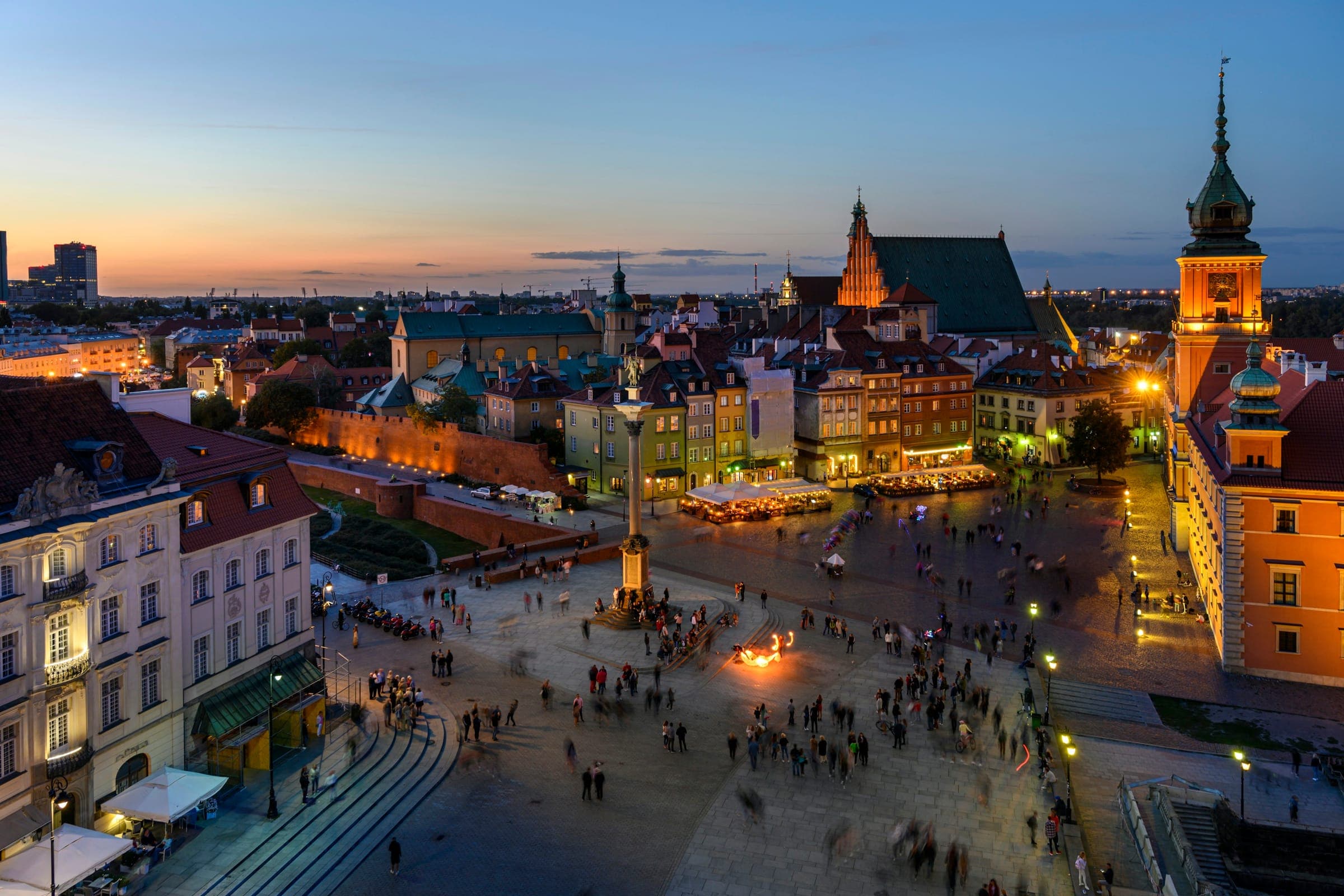
Warsaw, Kraków and the big cities
Old towns, big parks and a tram to almost everywhere.
Why you’ll love it
- Kraków's market square, Wawel Castle and the old Jewish quarter, Kazimierz
- Free Chopin concerts on summer Sundays in Warsaw's Łazienki Park
- Wrocław's riverside, and hundreds of little bronze dwarfs around town
What a sit is usually like
- Pets
- A cat or a dog, sometimes both
- Home
- A flat, often in a big apartment block
- Getting around
- Trams and buses, and a metro in Warsaw; no car
- Length
- Often one or two weeks
Best for: First sits, city lovers, travellers without a car
Masuria and the lakes
Lakes, forests and quiet villages in the northeast.
Why you’ll love it
- Swimming, sailing and canoe trips on lakes joined by rivers and canals
- Storks nesting in the villages from spring to late summer
- Sailing towns like Mikołajki and Giżycko
What a sit is usually like
- Pets
- Cats and dogs, often more than one
- Home
- A village house with a garden, sometimes near a lake
- Getting around
- A car is almost always needed
- Length
- Often one to three weeks
Best for: Nature lovers, swimmers, and anyone who likes quiet
The mountains in the south
Mountain trails in summer, and snow in winter.
Why you’ll love it
- Hikes in the Tatras, up to lakes like Morskie Oko
- Skiing around Zakopane and in the Beskids
- Wild, empty hills in the Bieszczady, in the far southeast
What a sit is usually like
- Pets
- Dogs and cats
- Home
- A house in a village or small town, often with a view
- Getting around
- Trains and buses reach the main towns; a car helps
- Length
- A week to a few weeks
Best for: Hikers, skiers, and sitters who like real winters
The Baltic coast
Long sandy beaches, dunes and pine forests by the sea.
Why you’ll love it
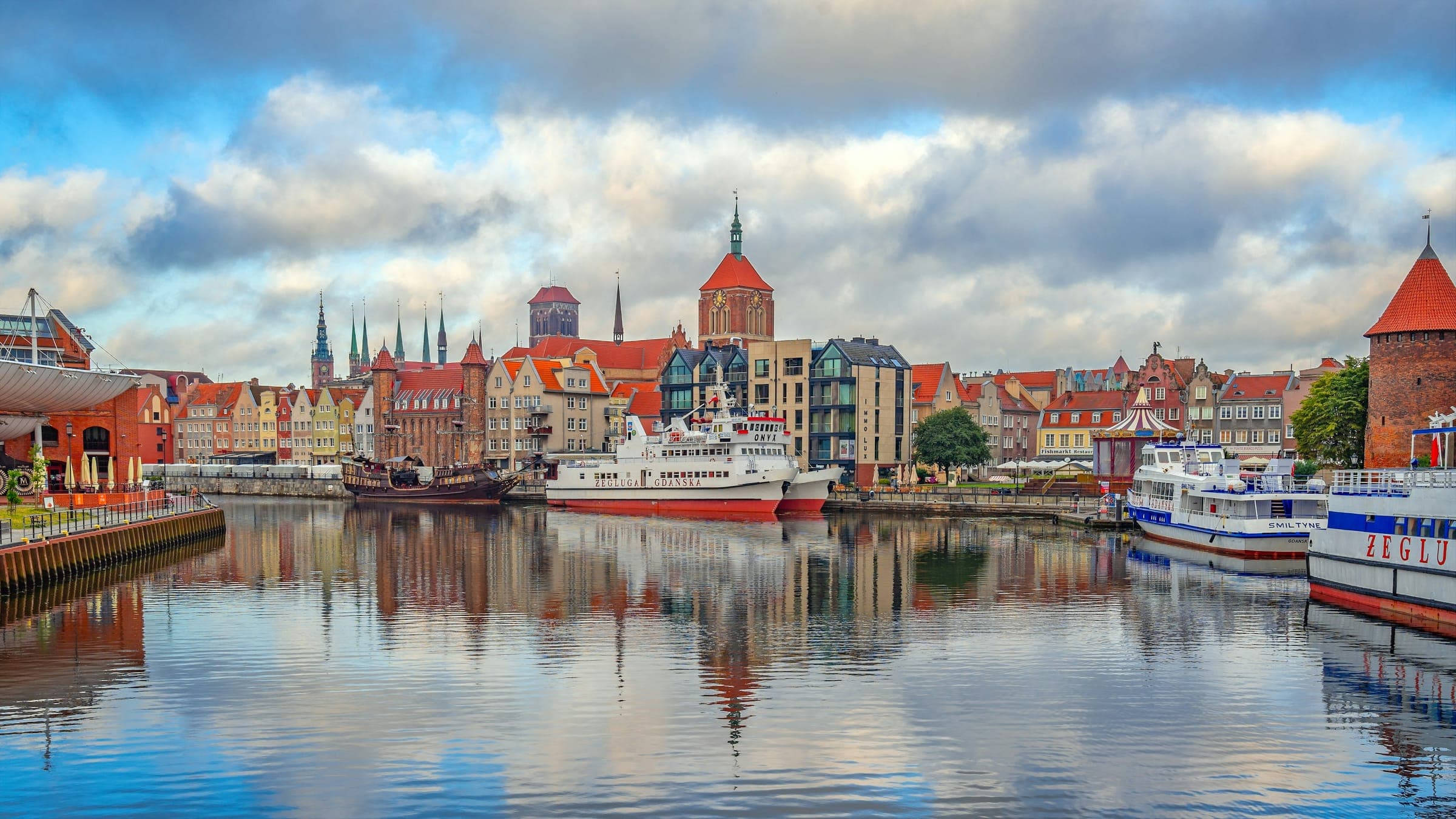
- Gdańsk's old town and its riverside
- Sopot's long wooden pier, and beaches all along the coast
- Moving sand dunes near Łeba, in the Słowiński National Park
What a sit is usually like
- Pets
- Dogs and cats
- Home
- A flat in Gdańsk, Sopot or Gdynia, or a house near the beach
- Getting around
- Fast local trains link the three cities; a car helps elsewhere
- Length
- Often a week or more
Best for: Sea lovers, walkers, and dogs that love a beach
When to go
Poland has four clear seasons, and real winters. Here's what each is like.
Winter
Dec – Feb
Cold, often below freezing, with snow some years, most of all in the mountains. It's dark by 4 pm in December. Christmas markets fill the old towns. Many people go away over Christmas and New Year, and families in the two-week school break in January or February.
Spring
Mar – May
March can still bring snow. By May it's green and warm, with blossom everywhere. Easter is a big family holiday, and many people go away for the long weekend in early May.
Summer
Jun – Aug
Warm, long days, sometimes over 30 °C, with summer storms. Schools close from late June to the end of August, the main time Polish families travel. The coast, the lakes and the mountains are busy in July and August.
Autumn
Sep – Nov
September is often warm and sunny, and the forests turn gold in October. It's mushroom season, and many people go picking in the woods. On 1 November, cemeteries glow with candles. November is grey, damp and cold.
What to know before you go
Winter heating
City flats usually have central heating that runs all winter, with nothing for you to do. Some houses burn wood, coal or pellets: ask your host to show you how to feed the stove or boiler, and how often. On cold, still days, some towns get smog. An air-quality app shows when to keep walks short.
Sundays
Big shops close on most Sundays, so shop on Saturday. Small corner shops like Żabka, petrol stations and some pharmacies stay open. Shops do open on a few Sundays a year, most of them before Christmas.
Money
Poland uses the złoty, not the euro. Cards and phone payments work almost everywhere, even for small amounts. When a card machine or a cash machine offers to charge you in your own currency, choose złoty: it costs less.
Language
Many younger people in the cities speak good English. In villages, and with older people, less so: a translator app helps. Thank you is “dziękuję” (say jen-KOO-yeh).
Dogs
In towns, keep the dog on a lead and pick up after it. Many parks have a fenced area where dogs can run. On trams and buses, a dog usually needs a lead and a muzzle. From spring to autumn, check the dog and yourself for ticks after walks in the woods.
Winter walks
Pavements are salted against ice, and salt hurts a dog's paws: wipe them with a damp cloth after each walk. Wear shoes that grip, and take a light for the dark afternoons.
Visas
From the EU, Norway, Iceland, Liechtenstein or Switzerland, you don't need a visa at all. From the UK, the US, Canada, Australia and many other countries, you don't need one for a visit of up to 90 days in any 180. Most others need a Schengen visa.
Poland is in the Schengen area, so days in Germany, Czechia and the other Schengen countries count toward the same 90. House sitting is an unpaid exchange, not a job, but border officers decide what counts. Be ready to explain that no money changes hands.
Later, visitors from the UK, the US and other visa-free countries will need ETIAS: a short online form with a small fee, filled in before you travel. The EU hasn't set a start date, so it isn't needed yet. Longer stays need a Polish national visa or a residence permit.
Rules change. Check the official rules for your passport before you book: the countries that need no visa, the EU's 90-day calculator and Poland's visa rules.
How it works
If you want to travel
- 1
Make a free profile. Bring your reviews from other platforms.
- 2
Apply for a home you like. Send the host a short message.
- 3
Agree the dates and go. Look after the pets and stay for free.
If you have pets
- 1
List your home. Your location, your pets and a few photos.
- 2
Sitters apply. Read their profiles and reviews, chat, and pick the one you like.
- 3
Travel. Your pets stay home and keep their routine.
House sitting in Poland: FAQ
Is it free?
Yes, for both sides. Listing your home, browsing, applying, messaging and matching never cost anything. A few extras are paid — a verified badge, more visibility — but you never need them to find a sit or a sitter.
Is house sitting in Poland a paid job?
No. It's an exchange: you stay in the home for free and look after the pets, and no money changes hands either way.
How do I become a house sitter in Poland with no experience?
Start with a city sit, often a cat or a dog in a flat, where trams take you everywhere. Fill in your profile with real photos and an honest bio. If people have reviewed you on other sites, like Airbnb or Couchsurfing, add those profiles as references. Then write each application for that home, and answer what the listing asks.
Do I need a visa to house sit in Poland?
If you're from the EU, Norway, Iceland, Liechtenstein or Switzerland, you don't need one. From the UK, the US, Canada, Australia and many other countries, you can stay up to 90 days in any 180 without a visa. Most others need a Schengen visa. Days in other Schengen countries count toward the same 90. See Visas, above.
Do I need a car for a house sit in Poland?
In the cities, no: trams and buses go everywhere, and trains link the cities. In the mountains, often. By the lakes and in villages, almost always, because buses are few. Each listing says so, and whether the host lends theirs.
I'm on another platform. Can I bring my reviews?
Yes. Add the link to your profile there. Once we've checked it, we show your review count with a link to read the reviews there — and from MindMyHouse, the reviews themselves.
I have a home in Poland. How do I find a sitter?
List it free with the dates you're away, and sitters apply. You can also browse sitter profiles and invite someone yourself. Read their profile, references and reviews, chat in-app, and choose. Nobody is assigned to you, and no money changes hands: the sitter stays for free and looks after your pets and home.
Can I write my listing in Polish?
Yes, in Polish or in English. Sitters who don't read Polish see an English translation, with a link to your own words.
Is it safe to let a house sitter stay in my home?
You choose who comes, and you get to know them first. Read their profile, reviews and references, chat, and have a video call before you say yes. You can ask to see an ID, and some sitters have a verified ID on their profile. Put what you agree in writing: we have a free house-sit agreement.