

The United States at a glance
- Typical sits
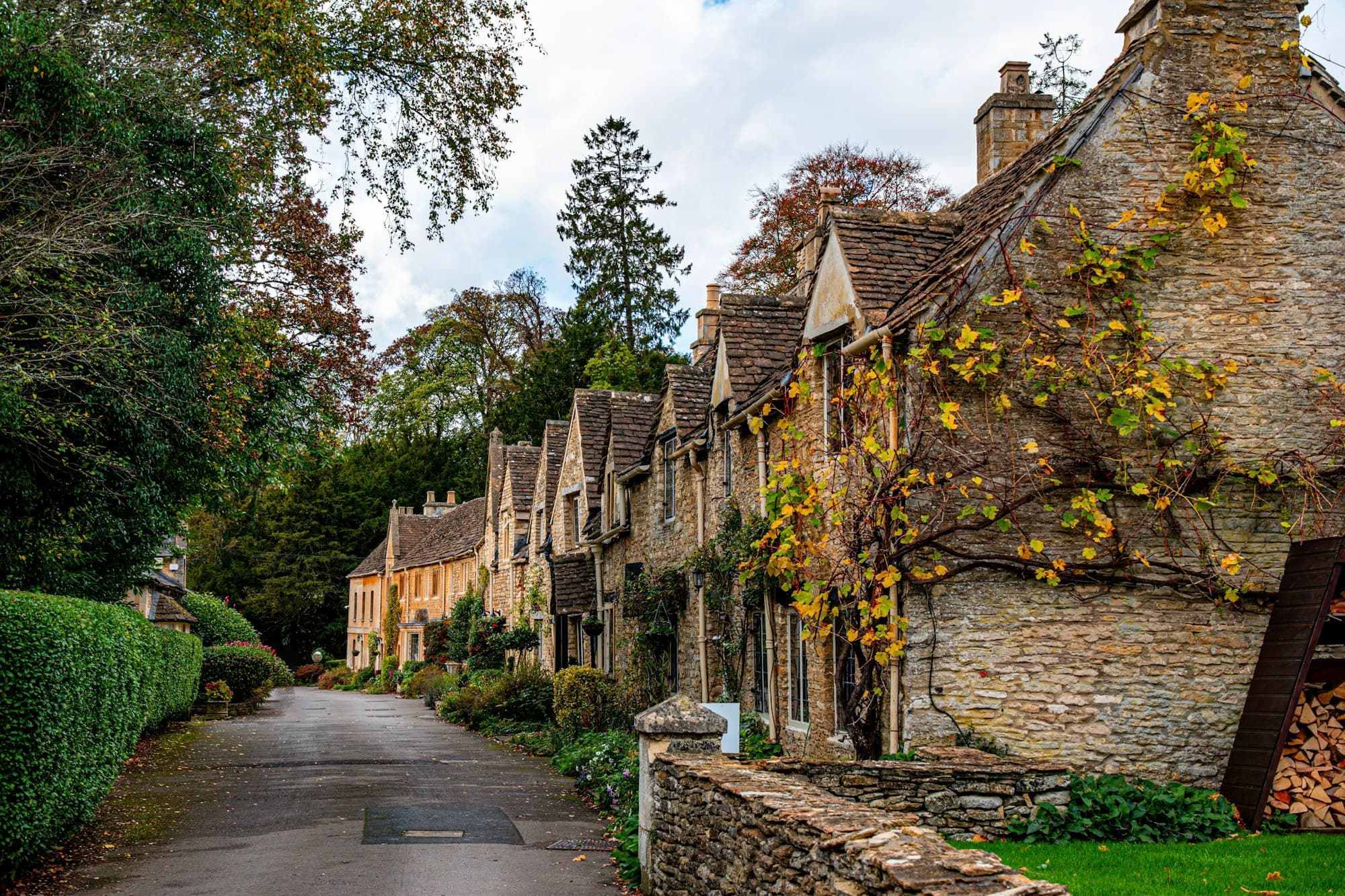
- Houses with a yard and a dog, city apartments, homes with a pool in the South
- Busiest times
- Summer, Thanksgiving and Christmas, when families travel
- Visas
- UK, most of the EU, Australia, Japan and more: no visa for 90 days, but an online ESTA
- Car
- Mostly, yes, except in New York and a few other big cities
Homes in the United States looking for a sitter
See all →Hardin County, Texas,USA
Truth or Consequences, New Mexico,USA
Houston, USA
Where you’ll find sits
Sits come up across the whole country, and most are in houses, not apartments, so there's more to look after. These are the kinds you'll see most.
New York and other big cities
Live like a local in a city most people only visit.
Why you’ll love it
- Museums, theatres and live music
- Dog walks in big parks, like Central Park
- Food from all over the world, a short walk away
What a sit is usually like
- Pets
- Usually one dog, sometimes a cat
- Home
- An apartment or a townhouse
- Getting around
- Subway, buses and walking; no car
- Length
- Often a week or two
Best for: Your first US sit, travellers without a car
Suburbs and small towns
Everyday American life, on a quiet street.
Why you’ll love it
- A whole house to yourself, often with a porch and a yard
- Long dog walks on quiet streets and park trails
- Diners, farmers' markets and summer fairs
What a sit is usually like
- Pets
- Mostly dogs, sometimes cats too
- Home
- A house with a yard, sometimes a pool
- Getting around
- A car is usually needed
- Length
- From a weekend to a month or more
Best for: Dog lovers who drive, remote workers
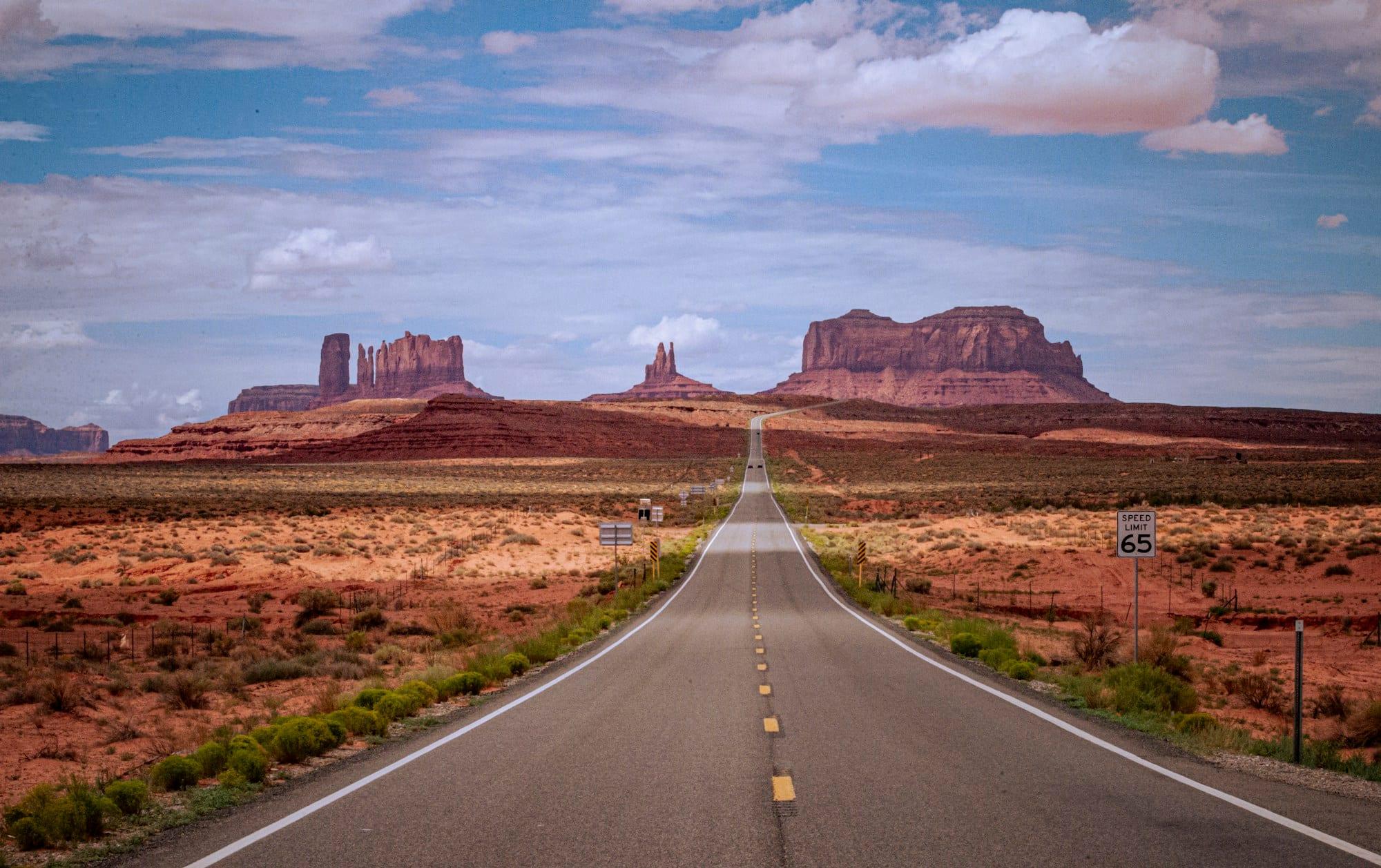
California and the West
Big landscapes: the Pacific, mountains and desert.
Why you’ll love it
- The Pacific coast, from surf beaches to wild cliffs
- National parks like Yosemite and the Grand Canyon
- Wine country, mountain towns and desert sunsets
What a sit is usually like
- Pets
- Dogs and cats, sometimes both
- Home
- A house with a garden, now and then a pool
- Getting around
- A car, for the long distances
- Length
- Often a few weeks
Best for: Hikers, nature lovers, road trips
Florida and the South
Warm winters and a slower pace of life.
Why you’ll love it
- Winter sun in Florida, and long beaches there and in the Carolinas
- Old towns like Charleston and Savannah
- Barbecue and live music, from Texas to Tennessee
What a sit is usually like
- Pets
- Often more than one, mostly dogs
- Home
- A bigger house, often with a pool to look after
- Getting around
- A car, almost always
- Length
- Often a few weeks, sometimes a month or more
Best for: Experienced sitters, winter sun
When to go
The country is so big that every season is good somewhere. Every listing has its own dates.
Winter
Dec – Feb
The best time for the South and the desert: Florida, southern California and Arizona are often 20 °C (68 °F) or warmer. Houses and streets fill with Christmas lights. The North and the mountains are cold and snowy, and storms can close roads.
Spring
Mar – May
Mild by May almost everywhere, though March is still cold in the North. A good time for the South and the desert before the heat, with wildflowers in Texas and California and cherry blossom in Washington, DC. Strong storms are common in the middle of the country.
Summer
Jun – Aug
The busiest time, as families travel. Best in the North, the mountains and the Pacific Northwest: long days, lakes and hiking. The South is hot and humid, the desert often passes 38 °C (100 °F), and hurricane season starts on the southern and eastern coasts.
Autumn
Sep – Nov
Maybe the best time in the North: red and gold forests in New England, and quieter national parks. The South cools down by November. Hurricane season runs to the end of November, and late that month many families travel for Thanksgiving.
What to know before you go
Distances and driving
Distances are long, and outside big cities there are few buses or trains. If the host lends you their car, ask them to check their insurance covers you. If your licence isn't in English, you may also need an International Driving Permit.
Health insurance
Doctors and hospitals in the US are expensive, and your health cover from home usually doesn't work there. Get travel insurance with medical cover before you go.
Wildlife
Coyotes live in many towns and suburbs, so don't leave cats or small dogs outside alone at night. After walks in woods or long grass, check dogs for ticks. Your host will know what else lives nearby.
Around the house
Ask which day the bins go out to the street, and bring in parcels left at the door. If there's a pool, sprinklers or a house alarm, ask your host to show you how they work.
Units and plugs
Thermostats are in Fahrenheit: 68 °F is 20 °C. Distances are in miles, pet food in cups and pounds. Plugs have flat pins, at 120 volts; phone chargers usually need only an adapter.
Tipping
Tipping is normal: 15 to 20% in restaurants, taxis and hairdressers. Shop prices usually don't include sales tax; it's added when you pay.
Visas
From the UK, most EU countries, Australia, Japan and other Visa Waiver Program countries, you don't need a visa for a visit of up to 90 days, but you do need to apply online for ESTA before you travel. Use the official site: look-alike sites charge more. Canadian citizens need neither. Most others need a visitor visa from a US embassy, which takes longer, so apply early.
At the border, an officer decides whether you can come in and for how long. Visitors may not work, and some officers count pet care in exchange for a free stay as work: some sitters have been refused entry. There's no visa for house sitting. Be ready to show you have a home to go back to, and answer every question honestly.
Rules change. Check the official rules for your passport before you book: the countries that need no visa and ESTA.
How it works
If you want to travel
- 1
Make a free profile. Bring your reviews from other platforms.
- 2
Apply for a home you like. Send the host a short message.
- 3
Agree the dates and go. Look after the pets and stay for free.
If you have pets
- 1
List your home. Your location, your pets and a few photos.
- 2
Sitters apply. Read their profiles and reviews, chat, and pick the one you like.
- 3
Travel. Your pets stay home and keep their routine.
House sitting in the United States: FAQ
Is it free?
Yes, for both sides. Listing your home, browsing, applying, messaging and matching never cost anything. A few extras are paid — a verified badge, more visibility — but you never need them to find a sit or a sitter.
How do I become a house sitter in the United States with no experience?
Build a complete profile first: real photos, an honest bio, and any pets you've looked after, even a friend's dog, since most US sits have one. If you drive, tick “Can drive”. Add your Airbnb or Couchsurfing profiles as references, if you've stayed with people there. Then apply for short sits: they're the hardest for hosts to fill, so often the easiest to get. Write each application for that listing.
Do I need a visa to house sit in the United States?
From the UK, most EU countries, Australia, Japan and other Visa Waiver Program countries, you don't need a visa for up to 90 days: you apply online for ESTA. Canadians need neither. Most others need a visitor visa. Visitors may not work, and some border officers count house sitting as work: see Visas, above.
Do I need a car for a house sit in the United States?
Mostly, yes. In New York and a few other big cities, you can manage without. Each listing says whether you need one, and whether the host lends theirs.
I'm on another platform. Can I bring my reviews?
Yes. Add the link to your profile there. Once we've checked it, we show your review count with a link to read the reviews there — and from MindMyHouse, the reviews themselves.
I have a home in the United States. How do I find a sitter?
List it free with the dates you're away, and sitters apply. You can also browse sitter profiles and invite someone yourself. Read their profile, references and reviews, chat in-app, and choose — nobody is assigned to you.