Greece at a glance
- Typical sits
- Athens flats with cats, island homes, village houses with dogs and olive trees
- Busiest times
- Spring and autumn, outside the summer tourist season
- Visas
- EU, Norway, Iceland, Liechtenstein, Switzerland: no visa. UK, US, Canada, Australia and many more: no visa for 90 days in any 180
- Car
- Not needed in the cities; usually needed on Crete, big islands and in villages
Be the first to apply for homes in Greece
Make a free profile now, so you can apply the day one opens.
Where you’ll find sits
Greece has sits in its cities, on its islands and in its villages. Here's what each kind is usually like.
Athens and Thessaloniki
City life, with ancient ruins close by.
Why you’ll love it
- The Acropolis above the old streets of Plaka
- Beaches a tram ride from central Athens, and Thessaloniki's seafront
- Street markets, and late dinners in tavernas
What a sit is usually like
- Pets
- Mostly cats
- Home
- A flat, often with a balcony
- Getting around
- Metro, buses and walking, no car
- Length
- A long weekend to a few weeks
Best for: First sits, history lovers
The islands
Island life after the summer crowds have gone.
Why you’ll love it
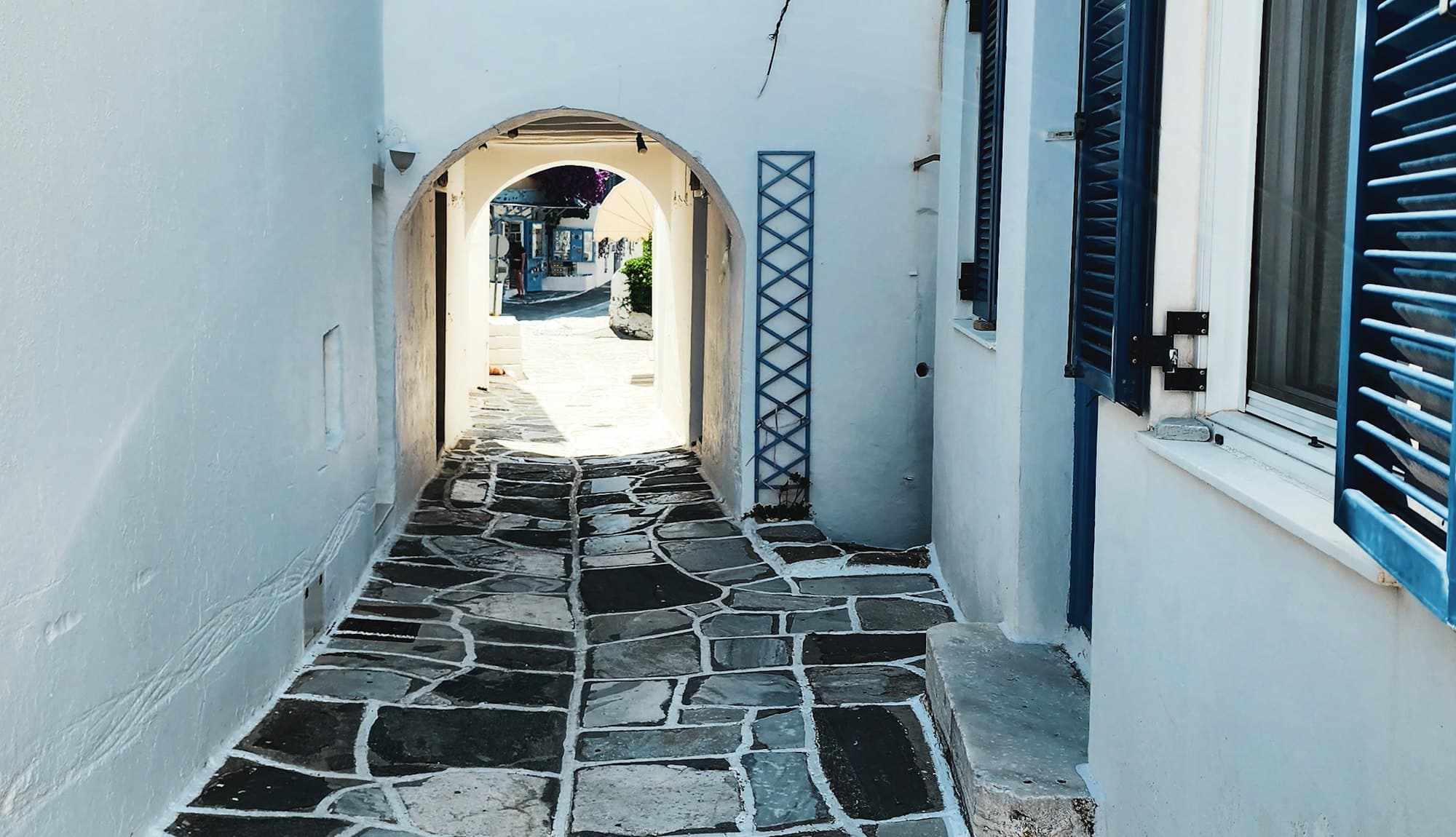
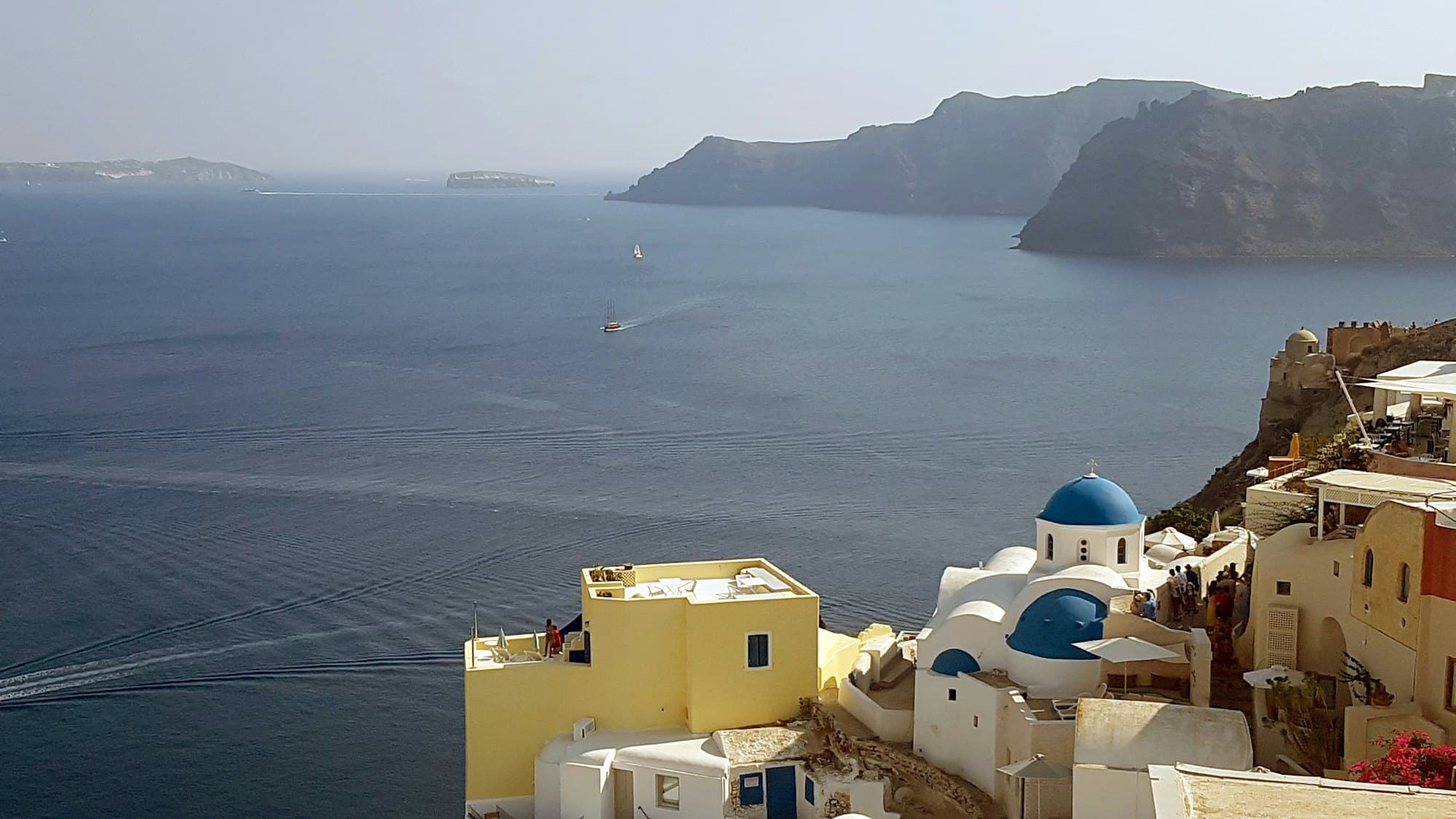
- White villages and blue sea in the Cyclades
- Green hills and olive groves in the Ionian, like Corfu
- Quiet harbours once the tourists leave
What a sit is usually like
- Pets
- Cats or dogs, sometimes both
- Home
- A village house or a villa
- Getting around
- On foot on small islands; a car or scooter on big ones
- Length
- Often longer stays, from autumn to spring
Best for: Slow travel, quiet months by the sea
Crete
Greece's biggest island: mountains, beaches and old villages.
Why you’ll love it
- Chania's old harbour and the ancient palace of Knossos
- Hikes through gorges, like the Samaria Gorge
- Village tavernas, olive oil, and raki after dinner
What a sit is usually like
- Pets
- Dogs and cats, sometimes chickens or goats
- Home
- A farmhouse or village house with olive trees
- Getting around
- Usually a car; buses link the big towns
- Length
- Often two weeks or more
Best for: Long stays, walkers, sitters who drive
The Peloponnese and mainland villages
Stone villages, olive groves and mountains, a few hours from Athens.
Why you’ll love it
- Ancient Olympia, Mycenae and Delphi
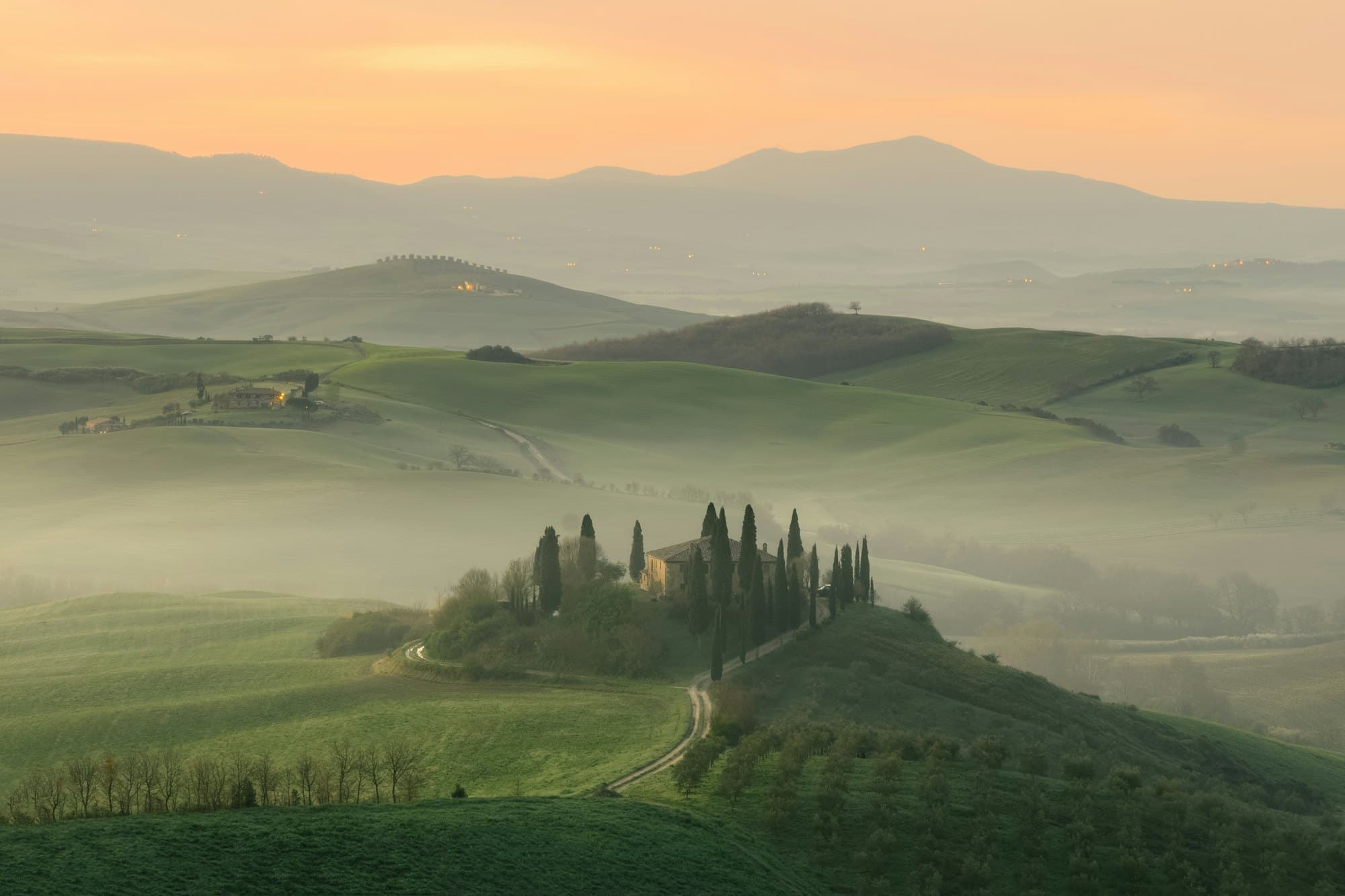
- Nafplio's old town and the stone towers of the Mani
- Mountain villages in Pelion and Zagori, cool in summer
What a sit is usually like
- Pets
- Dogs and cats, sometimes chickens
- Home
- A stone village house with a garden
- Getting around
- A car is usually needed
- Length
- Usually a few weeks
Best for: Sitters who want quiet and real responsibility
When to go
Greece changes a lot from summer to winter, most of all on the islands. Every listing has its own dates.
Winter
Dec – Feb
Mild in the south, often 12–16 °C by day, with more rain, and snow in the mountains. Athens and Crete stay lively. Small islands go quiet: many tavernas close and ferries run less. Homes built for summer can feel cold.
Spring
Mar – May
Green hills, wildflowers and warm days without the heat: one of the best times to sit. The sea is still cool. Easter is the year's biggest holiday, with candles at midnight and lamb roasted outside.
Summer
Jun – Aug
The warmest sea and long evenings. But it's hot, often over 35 °C in Athens, and the islands are crowded. Many island hosts stay home for the season, so sits there are fewer. Athens empties in August.
Autumn
Sep – Nov
Warm days and a warm sea into October, without the crowds. Island hosts start to travel, so more sits come up. From late October, the olive harvest starts and the rain comes back.
What to know before you go
Summer heat
July and August can pass 35 °C, most of all in Athens. Walk dogs early and after sunset, when the ground has cooled, and keep pets in the shade with water. Many Greeks rest after lunch, so keep it quiet then.
Ferries
In summer, book early: boats fill up. In winter there are fewer. Strong winds can cancel them in winter, and in July and August, when the meltemi wind blows. Arrive a day before your sit starts, so your host can leave on time.
Street cats and dogs
You'll see street cats everywhere, and some dogs. In towns most are calm and fed by neighbours; in the countryside, keep away from packs of dogs. Ask your host before you feed any. On walks, keep the host's dog on its lead: street dogs often come close.
Water
Many islands are short of water in summer, so keep showers short and ask your host if you can drink the tap water. In many homes, toilet paper goes in the bin, not the toilet: the pipes are narrow.
Shops and cash
In small towns, many shops close some afternoons and on Sundays. Cards work almost everywhere, but carry some cash in villages and on small islands, where cash machines are few.
Greek and the alphabet
You can manage without Greek: in cities and tourist places many people speak English, and main road signs also use Latin letters. A translator app reads labels through your camera. Locals like to hear "kaliméra" (good morning) and "efharistó" (thank you).
Visas
From the EU, Norway, Iceland, Liechtenstein or Switzerland, you don't need a visa at all. From the UK, the US, Canada, Australia and many other countries, you don't need one for a visit of up to 90 days in any 180. Most others need a Schengen visa.
Greece is in the Schengen area, so days in other Schengen countries count towards the same 90. House sitting is an unpaid exchange, not work, but the officer at the border decides what counts. Say that no money is paid, and have your host's address with you.
Later, visitors from the UK, the US and other visa-free countries will need ETIAS: a short online form with a small fee, filled in before you travel. The EU hasn't set a start date, so it isn't needed yet. Longer stays need a Greek visa, such as the digital nomad visa; house sitting alone won't get you one.
Rules change. Check the official rules for your passport before you book: the countries that need no visa, the EU's 90-day calculator and the EU's visa rules.
How it works
If you want to travel
- 1
Make a free profile. Bring your reviews from other platforms.
- 2
Apply for a home you like. Send the host a short message.
- 3
Agree the dates and go. Look after the pets and stay for free.
If you have pets
- 1
List your home. Your location, your pets and a few photos.
- 2
Sitters apply. Read their profiles and reviews, chat, and pick the one you like.
- 3
Travel. Your pets stay home and keep their routine.
House sitting in Greece: FAQ
Is it free?
Yes, for both sides. Listing your home, browsing, applying, messaging and matching never cost anything. A few extras are paid — a verified badge, more visibility — but you never need them to find a sit or a sitter.
How do I become a house sitter in Greece with no experience?
Start with a short city sit in Athens or Thessaloniki: often a cat in a flat, with no car needed. Finish your profile first, with real photos, an honest bio and any animals you've cared for, even a friend's. If you have an Airbnb or Couchsurfing profile, add it as a reference. Then look in spring and autumn, when more sits come up, and write each application for that home.
Do I need a visa to house sit in Greece?
If you're from the EU, Norway, Iceland, Liechtenstein or Switzerland, you don't need one. From the UK, the US, Canada, Australia and many other countries, you can stay up to 90 days in any 180 without a visa. Most others need a Schengen visa. See Visas, above.
Do I need a car for a house sit in Greece?
In the cities, no, and small islands are often fine on foot. On Crete, the bigger islands and in the countryside, usually yes. Each listing says so, and whether the host lends theirs.
I'm on another platform. Can I bring my reviews?
Yes. Add the link to your profile there. Once we've checked it, we show your review count with a link to read the reviews there — and from MindMyHouse, the reviews themselves.
I have a home in Greece. How do I find a sitter?
List it free with the dates you're away, and sitters apply. You can also browse sitter profiles and invite someone yourself. Read their profile, references and reviews, chat in-app, and choose — nobody is assigned to you.